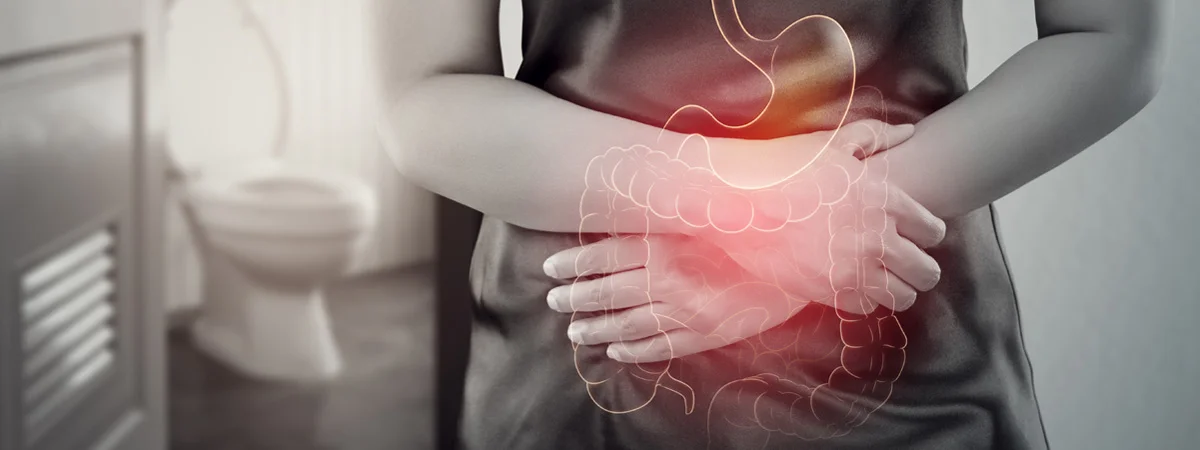
Have you ever come across the saying, “Good health begins with a healthy gut”? While it sounds simple, achieving optimal gut health isn’t always easy. Struggling with an incomplete bowel movement in the morning can be frustrating—and it often sets the tone for the rest of the day, affecting both mood and productivity. In this blog, we’ll explore how a healthy lifestyle plays a key role in supporting digestive health, and we’ll take a closer look at natural constipation remedies from Ayurveda as gentle, effective alternatives to conventional laxatives.
Ayurvedic Perspective On Bowel Regularity
A healthy gut helps process food, absorb vital nutrients, and fight harmful pathogens. It is also connected to the brain and controls stress, mood, anger, and much more. But sometimes, due to our poor lifestyle, we disturb our gut health and face various ailments like constipation, irregular bowel movements, indigestion, etc.
As an Ayurvedic practitioner, one of the major complaints I hear from my patients in my practice is related to their irregular bowel movements or constipation, without fail. These are the chronic discomforts that many patients experience for years. So, let’s take a broader look at what Ayurveda says about constipation and also understand some natural constipation remedies for your gut health!
Understanding Constipation in Ayurveda
In Ayurveda, constipation, or mallbadhhta, is primarily seen as a result of vitiated Vata dosha, specifically apana vayu (a subtype of Vata dosha). Apana vayu directs the downward movements in the body. When we consume food items that are cold, dry, and light with bitter, pungent, or astringent tastes, such food items (popcorn, crackers, excessive raw vegetable salad, iced carbonated drinks, raw beans, lentils, etc.) elevate Vata dosha in the body, leading to the formation of low water consistency, hard, infrequent, or constipated stools.
Therefore, I always suggest natural constipation remedies including dietary and lifestyle changes, along with medications, to cure my patients’ concerns related to bowel irregularity. And it actually works! Now let’s have a look at what Ayurveda has to offer for the natural evacuation of waste from the body.
Therapeutic Purgation: Virechana Dravya & Properties
Virechana, or therapeutic purgation, is a process that facilitates the intended purgation, and the herbs required in this process are termed virechana dravya. These virechana dravya or virechana medicines, based on their intensity, are divided into three types:
- Tikshna – They are a set of virechana medicines that tend to induce motions very quickly and in large amounts. It is usually recommended in a detox procedure under your doctor’s observation. For example – Danti (Baliospermum montanum Linn), snuhi ksheera (Euphorbia nerifolia), and drvanati (Chlorophytum tuberosum).
- Madhyama– A type of virechana medicine with moderate qualities, it induces motions in moderate intensity and quantity. We usually recommend this at the OPD level, where the patient is suffering from chronic constipation. Some examples of such virechana dravyas are trivruta (Operculina turpethum Linn) and katuki (Picrorhiza kurrooa).
- Mridu– These are low-intensity virechana dravyas. They are often given to geriatric and pediatric patients. Examples of mridu virechana dravyas are aragvadha (Cassia fistula) and draksha (Vitis vinifera Linn).
Impact of Habitual Use of Laxatives on Digestive System
In my practice, I often come across individuals who’ve been relying on laxatives for years. While these may offer short-term relief, they can lead to long-term harm. From an Ayurvedic perspective, habitual use of laxatives disrupts the body’s natural agni (digestive fire) and throws off the delicate balance of the doshas, both of which are essential for overall well-being.
Prolonged use of laxatives may weaken the digestive fire, or agni, desensitize your colon, and disrupt the balance of doshas. Additionally, over-reliance on laxatives may lead to increased dryness, dependency, and even stress or anxiety, clearly aggravating Vata dosha. This can eventually lead to the need for higher doses to achieve the same effect. This is not healing but hiding.
Natural Remedies for Constipation: Herbs for Bowel Regulation
The following are some of the herbs I frequently recommend to bring bowel regulation back naturally and have seen work terrifically:
Triphala
It is a blend of 3 incredible herbs, including amalaki, haritaki, and bibhitaka. It is commonly used with patients with irregular bowel movements. Triphala is mixed with lukewarm water and consumed during bedtime or early morning. It supports natural digestive processes and helps promote regular bowel movements, as traditionally used in Ayurveda.

Haritaki
It is an herb that helps manage constipation by balancing Vata dosha. It works as a mild laxative and nerve tonic.
Castor oil
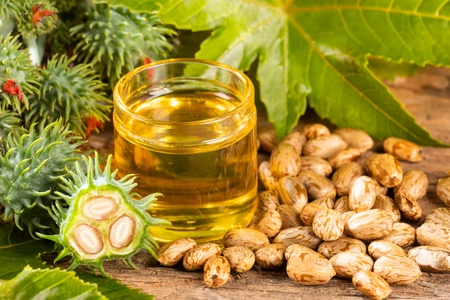
Castor oil is traditionally used in Ayurveda to support healthy digestion and Vata dosha. I recommend my patients add 1–2 tablespoons of castor oil to lukewarm milk and take it either before bedtime or early in the morning, whichever suits them best, to help promote bowel movements. This is one of the best natural constipation remedies.
Isabgol (Psyllium Husk)
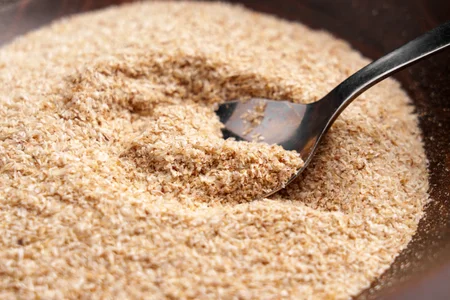
It is recommended for patients due to its high fiber content. Isabgol helps to soften the stool and promote better bowel movements. It can be consumed by mixing it with warm water or a spoonful of ghee to avoid dryness.
Ginger
Ginger has anti-inflammatory and digestive properties that aid in regulating clear and regular bowels. Moreover, ginger tea is traditionally consumed to support digestive comfort and regularity in bowel movements.
Trikatu
It is an ancient combination of three herbs, including shunthi (dried ginger), pippali (long pepper), and maricha (black pepper). It is suggested to take trikatu churna mixed with honey or directly with lukewarm water to support smooth and healthy bowel movements.
Additionally, these are just the herbs that may help you temporarily manage constipation or bowel movements. It is also important to follow a healthy lifestyle by eating fibre-rich food, a balanced diet, regular exercise, appropriate hydration, and stress management. Even if the problem persists, do not delay reporting it to a healthcare provider to rule out any other underlying medical issue, if present.
Ideal Lifestyle & Dietary Habits to Prevent Constipation
Dietary changes
Since we know medications are just part of the treatment and not the whole treatment. Our gut health depends totally on our lifestyle and food habits. Therefore, it is mandatory to incorporate the following dietary habits to experience healthy and smooth bowel movements every time you defecate.
They include:
- Eat an adequate breakfast and take warm milk or water to promote better bowel movements.
- Consume a fibre-rich diet to avoid constipation.
- Use seasonings like ginger, garlic, asafoetida, and carom seeds to prevent bloating and other associated issues.
- Try to avoid junk and processed food.
- Warm cooked foods such as soups and porridges help to keep the agni strong.
- Ensure proper hydration with lukewarm water and avoid cold or chilled water throughout the day.
- Promote mindful eating by chewing your food properly without distractions.
Lifestyle changes
- Maintain a regularity with your morning routine. The body loves the rhythm and works accordingly.
- Movement is important; walk for around 20-30 minutes a day. It stimulates Vata dosha and reduces stagnation.
- Do not suppress any natural urge, especially the urge to defecate.
- Abhyanga or massaging your abdominal region with sesame oil before bedtime, may help you to balance Vata dosha and lubricate the colon to promote smooth bowel movements in the morning.

From My OPD: Stories That May Mirror Your Own
I’m sharing a few of my anonymous patient stories to show you how wonderfully Ayurveda and natural constipation remedies work on your gut and overall health.
Case 1
A 52-year-old woman reported to my OPD with complaints of skin dryness, bloating, and anxiety. She told me she had been consuming bisacodyl for the last 10 years and still couldn’t defecate without it in the morning.
Understanding the case, I recommended the patient consume triphala churna with warm water and do a sesame oil massage at bedtime. I observed she was off laxatives within 4 weeks. Later, I also added yoga and dietary adjustments to her daily life, which showed positive results and improved daily bowel movements. A feeling of complete defecation, a lighter gut, and overall improved performance at her workplace.
Case 2
A 34-year-old male with chronic travel-related constipation visited the OPD, reporting abdominal pain and persistent constipation. He had been regularly using psyllium.
In relation to this, I prescribed him the consumption of haritaki with ghee during bedtime, along with a few yoga poses. Within 3 weeks, the patient responded with positive feedback of normalised elimination, and the results stayed constant even during his business trips.
Be Careful and Don’t Overuse
Let’s be honest and accept that we all have heard somewhere that Ayurvedic drugs do not cause any harmful effects, but that’s not true. Since an excess of anything causes problems, overuse of any drug for constipation can lead to dependence, excessive dryness in the body, and vitiation of the three doshas.
For example, trivrutt is a strong purgative herb, and excess usage of it may lead to diarrhea, abdominal pain, and much more. This is universal: no herb, no food, and no medicine are absolutely perfect. Therefore, always consult with your healthcare provider before incorporating any changes to your diet and life.
Conclusion
Constipation is not just a bowel issue but a sign that something inside your body is not functioning well. You may take laxatives and find a temporary solution, but Ayurveda treats these signs with no ignorance and absolute care. If you are also someone stuck in the routine of laxatives, consider this blog a sign from the universe to explore a new and deeper path towards your health. Changing your life is not that difficult. I assure you to start consulting a qualified Ayurveda practitioner to manage the right interventions effectively. The results you will experience will not just regulate your bowel movements but also your daily life, performance at work, and mental health as well.

Related Posts