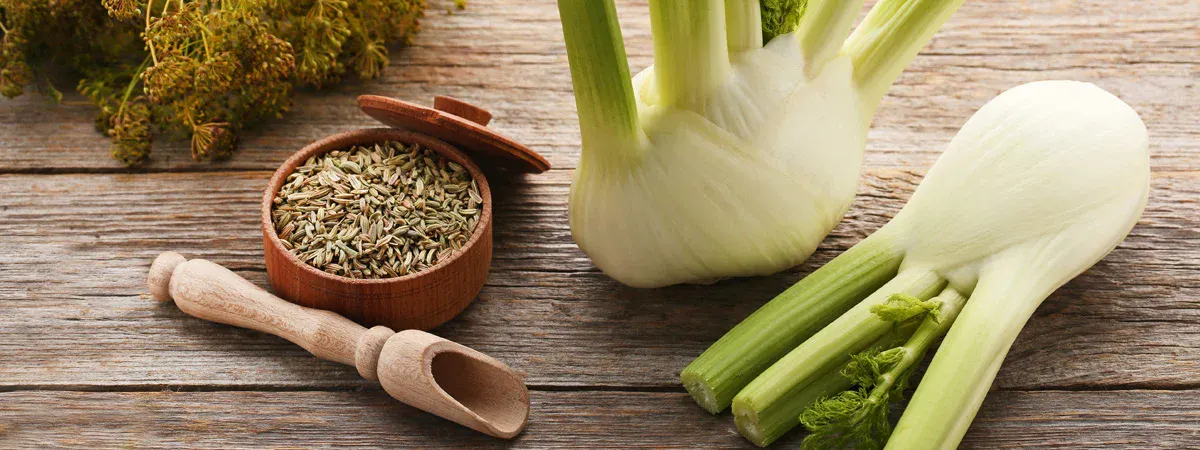
Would you believe it if I told you that the humble herb or spice you often chew after meals—not just for its refreshing flavor—does far more than mask bad breath? It may sound surprising, but this common digestive aid is also a powerhouse of health benefits. If I had to choose one herb that has consistently delivered exceptional results in my clinical practice, shatapushpa or fennel would undoubtedly top the list. From easing digestive discomfort and soothing menstrual cramps to stabilizing hormonal shifts and supporting recovery after childbirth, the benefits of fennel have proven to be truly remarkable & therapeutic.
In this blog, we’ll dive deep into the Ayurvedic perspective on shatapushpa and uncover how this unassuming herb plays a significant role in promoting overall well-being. Its impact on health is not just theoretical—I’ve personally witnessed its transformative effects in real-life cases.
The Ayurvedic Properties of Fennel
The Ayurvedic study of any herb initiates with the knowledge of its rasa (taste), guna (quality), virya (potency), vipaka (post-digestive effect), prabhav (an unknown effect), and, of course, its doshic effect. So, let’s unveil all the above Ayurvedic properties & benefits of fennel for a better understanding of its action.

- Scientific name: Anethum sowa
- Family: Umbelliferae
- Rasa (Taste): Katu (pungent), tikta (bitter)
- Guna (Quality): Laghu (light), tikshna (sharp)
- Virya (Potency): Ushna (heating)
- Vipaka (Post-digestive effect): Katu (pungent)
- Fennel’s effects on Three Doshas: Balances Vata dosha and Kapha dosha and elevates Pitta dosha.
Ayurvedic Actions
Fennel is a versatile herb that is used for various digestive problems, including heartburn, intestinal gas, bloating, and loss of appetite, by virtue of its rasa, guna, virya, and vipaka.
- Rasa: The katu rasa has agneya properties that help to enhance metabolism, and the tikta rasa contains deepana-pachana properties that aid in stimulating digestive fire and digesting toxins (ama) in the body.
- Guna: The laghu, ruksha, and tikshna properties of shatapushpa help to pacify Kapha dosha; therefore, it is used in Kapha-dominant diseases, e.g., upper respiratory tract infections, including cough, bronchitis, etc.
- Virya:Ushna virya, or hot potency of shatapushpa, helps to remove the obstruction in channels to facilitate better blood flow and appropriate absorption of nutrients.
Ayurvedic Benefits of Fennel
Classical texts like the Bhavaprakasha and Charaka Samhita refer to fennel for its following incredible properties:
- Deepana: Improves digestive fire
- Pachana: Digests ama or toxins
- Shoolahara: Relieves abdominal pain and colic
- Akshi roga: Beneficial in curing eye disorders
- Akshi vrana: Helps cure eye ulcers
- Basti karma: Used for enema therapy in panchakarma
- Ruchidayak: Improves anorexia
- Stanyajanana: Acts as a good galactagogue
- Pittakrut: Elevates Pitta dosha
How to Consume Fennel as per Ayurveda?
Here are some of the home remedies that I’ve suggested to many of my patients and subsequently gotten good results from:
Decoction for Bloating & Abdominal Discomfort
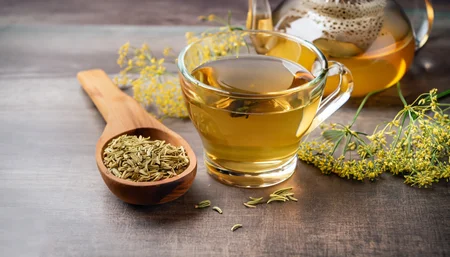
Take 10-15 gms of fennel seeds and add them to one cup of hot water. Keep it still for around half an hour, then sieve it and serve. This will give you immense relief from bloating, abdominal distension, heaviness, and belching.
Fennel for Irregular Menstruation/ Menstrual Cramps
Take equal amounts of powdered jaggery, fennel seeds, and carom seeds (around 1-2 tablespoons). Add them to one cup of hot water and keep it still for half an hour. Now filter the formula and drink it. Repeat it every day for one week, before the estimated date of menstruation. This will help you sync your periods with the right dates. You can also consume it during your periods, as it aids in combating cramps due to its “shoolaprashmana” property.
Read More: Causes + Ayurvedic Remedies + Yoga for Painful Menstruation & Cramps
Paste for Joint Pain Relief
Take the fresh plant and grind it into a subtle paste. Do warm it a little and apply it over the affected joints. This will help you to relieve the inflammation as well as the pain associated with that joint.
Seeds to Improve Sore Throat, Cough, Cold
What you do after meals can support relief from cough, cold, and sore throat. Chewing 3–5 grams of fennel seeds with a small amount of sugar candy for 5–7 minutes may help soothe the throat and ease discomfort from these common concerns.
Fennel for Early Wound Healing
Local application of a gentle paste of shatapushpa leaves on the wound helps heal it sooner.
Benefits of Fennel for Postpartum Care
Boil 1–2 tablespoons of fennel seeds in about 20–25 ml of water. Let the infusion cool to a lukewarm temperature, then stir and strain. This preparation is traditionally recommended for postpartum care, as it may help ease discomfort, support relief from pain, and reduce bloating, belching, and other related concerns.
Medicinal & Therapeutic Advantages of Fennel
Here, I’m sharing a few of my anonymous patient stories to give an idea of how versatile shatapushpa is, if used thoughtfully (yuktipurvak).
Benefits of Fennel for Bloating/ Indigestion
A female patient of 31 years, working long hours in the IT sector, reported to my OPD with consistent post-meal bloating, regular indigestion, and heaviness in the abdomen. She has a Vata-Pitta body constitution, was addicted to coffee, and had poor food habits. Understanding the case, I recommended that she chew half a teaspoon of fennel seeds after every meal and drink coriander-fennel tea twice a day. Within three weeks, her symptoms were reduced by 50%, and she came for follow-up with high satisfaction and visible energy.
Fennel Relief for IBS, Constipation & Heartburn
Due to poor lifestyle choices and unhealthy food habits, the prevalence of ailments like IBS is increasing day by day. Concerning this, a college student of age 24 came to OPD while dealing with exam stress and presented symptoms of IBS, including alternating constipation and diarrhea, cramps, and heartburn. I managed the case with a blend of fennel and brahmi. This infusion was to be sipped slowly during study hours and post-meals. Fennel soothes the gut, and brahmi calms the nerves. After two weeks, when he came for a follow-up, he greeted me with a smile and reported that both the concerned issues were resolved, and now he can focus even better.
Hormonal imbalance & Menstrual health with Fennel
Fennel is truly a powerful ally for hormonal health. Due to its phytoestrogenic properties, it helps support estrogen balance and allows the body to adapt to both high and low levels of estrogen. A female patient came to my OPD with complaints of erratic cycles and mild hot flashes. Going through her complaints, I suggested that she introduce the benefits of fennel evening tea, along with shatavari, to soothe hot flushes and other associated concerns. This tea not only helped relieve her symptoms but also supported better sleep, stabilized mood swings, and enhanced her overall well-being.
Post-Delivery Relief & Benefits of Fennel
In postpartum care, shatapushpa serves multiple purposes. It supports both lactation and digestion, while also helping reduce colic in infants through breast milk. It has become a valuable part of many of my patients’ recovery journeys. One such case involved a 28-year-old new mother who experienced low milk supply and flatulence post-delivery. I recommended she start consuming fennel tea prepared with jaggery and ghee. This helped alleviate her bloating and digestive discomfort while also significantly improving her milk production. She felt more relaxed, and over time, her baby’s colic symptoms also subsided.
Different Parts of Fennel Used for Consumption
Discussed above were a few of the cases that I witnessed getting good results after the consumption of fennel. Now, the question may arise, how can you introduce the benefits of fennel into your daily life in a non-monotonous way? So let me assist you with that.
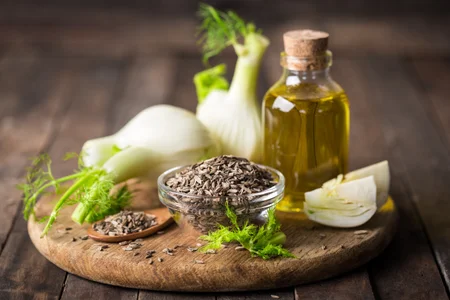
Here are a few ways you can try to help incorporate shatapushpa into your daily life:
- Chew Fennel Seeds: You can easily incorporate fennel seeds into your daily life after meals for better digestion, good breath, and sweet satisfaction.
- Shatapushpa Tea Preparation: It is more like a decoction where fennel seeds are added to hot water and consumed. It aids in improving bloating, menstrual cramps, and postpartum care.
- Fennel oil: It is an oil infused with the properties of shatapushpa seeds, commonly used for massages or warm compresses, particularly effective for relieving baby colic and bloated abdomens.
- Fennel Seed powder: It is usually used in medicine formulation. A few popular and useful formulations include hingwashtak churna and avipattikar churna.
- Ghee with Fennel: It is generally used as a postpartum staple for good nutrition, lactation, and easy digestion.
Conclusion
Shatapushpa, or fennel, is no less than a wonder for the conditions it shows great results on. The above blog describes the classical features, doshic dominance, uses, some personal case studies, methods of consumption, and much more to cast the limelight on the efficiency and benefits of fennel.
It involves various areas like digestive issues, hormonal imbalance, postpartum care, joint care, and whatnot. Therefore, using this herb in the right direction, with the right thought process under the right supervision, can show great results on the patient’s overall health and well-being.

Related Posts