Author: Admin

  • Top Ayurvedic Benefits of Fennel for Digestion & Hormones

    Top Ayurvedic Benefits of Fennel for Digestion & Hormones

    Would you believe it if I told you that the humble herb or spice you often chew after meals—not just for its refreshing flavor—does far more than mask bad breath? It may sound surprising, but this common digestive aid is also a powerhouse of health benefits. If I had to choose one herb that has consistently delivered exceptional results in my clinical practice, shatapushpa or fennel would undoubtedly top the list. From easing digestive discomfort and soothing menstrual cramps to stabilizing hormonal shifts and supporting recovery after childbirth, the benefits of fennel have proven to be truly remarkable & therapeutic.

    In this blog, we’ll dive deep into the Ayurvedic perspective on shatapushpa and uncover how this unassuming herb plays a significant role in promoting overall well-being. Its impact on health is not just theoretical—I’ve personally witnessed its transformative effects in real-life cases.

    The Ayurvedic Properties of Fennel

    The Ayurvedic study of any herb initiates with the knowledge of its rasa (taste), guna (quality), virya (potency), vipaka (post-digestive effect), prabhav (an unknown effect), and, of course, its doshic effect. So, let’s unveil all the above Ayurvedic properties & benefits of fennel for a better understanding of its action.

    • Scientific name: Anethum sowa
    • Family: Umbelliferae
    • Rasa (Taste): Katu (pungent), tikta (bitter)
    • Guna (Quality): Laghu (light), tikshna (sharp)
    • Virya (Potency): Ushna (heating)
    • Vipaka (Post-digestive effect): Katu (pungent)
    • Fennel’s effects on Three Doshas: Balances Vata dosha and Kapha dosha and elevates Pitta dosha. 

    Ayurvedic Actions

    Fennel is a versatile herb that is used for various digestive problems, including heartburn, intestinal gas, bloating, and loss of appetite, by virtue of its rasa, guna, virya, and vipaka. 

    • Rasa: The katu rasa has agneya properties that help to enhance metabolism, and the tikta rasa contains deepana-pachana properties that aid in stimulating digestive fire and digesting toxins (ama) in the body.
    • Guna: The laghu, ruksha, and tikshna properties of shatapushpa help to pacify Kapha dosha; therefore, it is used in Kapha-dominant diseases, e.g., upper respiratory tract infections, including cough, bronchitis, etc.
    • Virya:Ushna virya, or hot potency of shatapushpa, helps to remove the obstruction in channels to facilitate better blood flow and appropriate absorption of nutrients.

    Ayurvedic Benefits of Fennel

    Classical texts like the Bhavaprakasha and Charaka Samhita refer to fennel for its following incredible properties:

    • Deepana: Improves digestive fire
    • Pachana: Digests ama or toxins
    • Shoolahara: Relieves abdominal pain and colic
    • Akshi roga: Beneficial in curing eye disorders
    • Akshi vrana: Helps cure eye ulcers
    • Basti karma: Used for enema therapy in panchakarma
    • Ruchidayak: Improves anorexia
    • Stanyajanana: Acts as a good galactagogue
    • Pittakrut: Elevates Pitta dosha
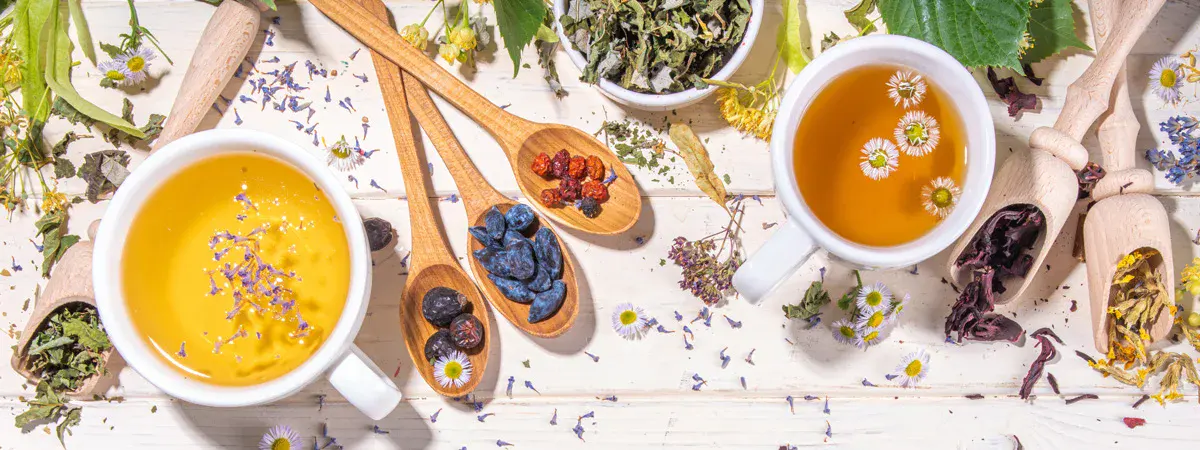
    Herbal infusion fennel tea

    How to Consume Fennel as per Ayurveda?

    Here are some of the home remedies that I’ve suggested to many of my patients and subsequently gotten good results from:

    Decoction for Bloating & Abdominal Discomfort 

    Take 10-15 gms of fennel seeds and add them to one cup of hot water. Keep it still for around half an hour, then sieve it and serve. This will give you immense relief from bloating, abdominal distension, heaviness, and belching.

    Fennel for Irregular Menstruation/ Menstrual Cramps

    Take equal amounts of powdered jaggery, fennel seeds, and carom seeds (around 1-2 tablespoons). Add them to one cup of hot water and keep it still for half an hour. Now filter the formula and drink it. Repeat it every day for one week, before the estimated date of menstruation. This will help you sync your periods with the right dates. You can also consume it during your periods, as it aids in combating cramps due to its “shoolaprashmana” property.

    Read More: Causes + Ayurvedic Remedies + Yoga for Painful Menstruation & Cramps

    Paste for Joint Pain Relief

    Take the fresh plant and grind it into a subtle paste. Do warm it a little and apply it over the affected joints. This will help you to relieve the inflammation as well as the pain associated with that joint.

    Seeds to Improve Sore Throat, Cough, Cold

    What you do after meals can support relief from cough, cold, and sore throat. Chewing 3–5 grams of fennel seeds with a small amount of sugar candy for 5–7 minutes may help soothe the throat and ease discomfort from these common concerns.

    Fennel for Early Wound Healing

    Local application of a gentle paste of shatapushpa leaves on the wound helps heal it sooner.

    Benefits of Fennel for Postpartum Care

    Boil 1–2 tablespoons of fennel seeds in about 20–25 ml of water. Let the infusion cool to a lukewarm temperature, then stir and strain. This preparation is traditionally recommended for postpartum care, as it may help ease discomfort, support relief from pain, and reduce bloating, belching, and other related concerns.

    Medicinal & Therapeutic Advantages of Fennel

    Here, I’m sharing a few of my anonymous patient stories to give an idea of how versatile shatapushpa is, if used thoughtfully (yuktipurvak).

    Benefits of Fennel for Bloating/ Indigestion

    A female patient of 31 years, working long hours in the IT sector, reported to my OPD with consistent post-meal bloating, regular indigestion, and heaviness in the abdomen. She has a Vata-Pitta body constitution, was addicted to coffee, and had poor food habits. Understanding the case, I recommended that she chew half a teaspoon of fennel seeds after every meal and drink coriander-fennel tea twice a day. Within three weeks, her symptoms were reduced by 50%, and she came for follow-up with high satisfaction and visible energy.

    Fennel Relief for IBS, Constipation & Heartburn

    Due to poor lifestyle choices and unhealthy food habits, the prevalence of ailments like IBS is increasing day by day. Concerning this, a college student of age 24 came to OPD while dealing with exam stress and presented symptoms of IBS, including alternating constipation and diarrhea, cramps, and heartburn. I managed the case with a blend of fennel and brahmi. This infusion was to be sipped slowly during study hours and post-meals. Fennel soothes the gut, and brahmi calms the nerves. After two weeks, when he came for a follow-up, he greeted me with a smile and reported that both the concerned issues were resolved, and now he can focus even better.

    Hormonal imbalance & Menstrual health with Fennel

    Fennel is truly a powerful ally for hormonal health. Due to its phytoestrogenic properties, it helps support estrogen balance and allows the body to adapt to both high and low levels of estrogen. A female patient came to my OPD with complaints of erratic cycles and mild hot flashes. Going through her complaints, I suggested that she introduce the benefits of fennel evening tea, along with shatavari, to soothe hot flushes and other associated concerns. This tea not only helped relieve her symptoms but also supported better sleep, stabilized mood swings, and enhanced her overall well-being.

    Post-Delivery Relief & Benefits of Fennel

    In postpartum care, shatapushpa serves multiple purposes. It supports both lactation and digestion, while also helping reduce colic in infants through breast milk. It has become a valuable part of many of my patients’ recovery journeys. One such case involved a 28-year-old new mother who experienced low milk supply and flatulence post-delivery. I recommended she start consuming fennel tea prepared with jaggery and ghee. This helped alleviate her bloating and digestive discomfort while also significantly improving her milk production. She felt more relaxed, and over time, her baby’s colic symptoms also subsided.

    Different Parts of Fennel Used for Consumption 

    Discussed above were a few of the cases that I witnessed getting good results after the consumption of fennel. Now, the question may arise, how can you introduce the benefits of fennel into your daily life in a non-monotonous way? So let me assist you with that.

    benefits of fennel seeds for dental health

    Here are a few ways you can try to help incorporate shatapushpa into your daily life:

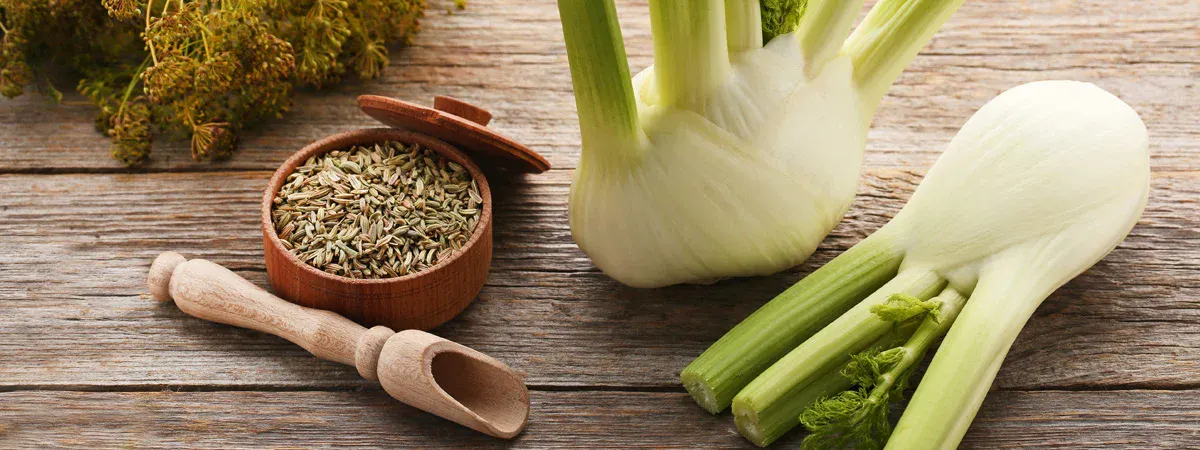
    • Chew Fennel Seeds: You can easily incorporate fennel seeds into your daily life after meals for better digestion, good breath, and sweet satisfaction.
    • Shatapushpa Tea Preparation: It is more like a decoction where fennel seeds are added to hot water and consumed. It aids in improving bloating, menstrual cramps, and postpartum care.
    • Fennel oil: It is an oil infused with the properties of shatapushpa seeds, commonly used for massages or warm compresses, particularly effective for relieving baby colic and bloated abdomens.
    • Fennel Seed powder: It is usually used in medicine formulation. A few popular and useful formulations include hingwashtak churna and avipattikar churna.
    • Ghee with Fennel: It is generally used as a postpartum staple for good nutrition, lactation, and easy digestion. 

    Conclusion 

    Shatapushpa, or fennel, is no less than a wonder for the conditions it shows great results on. The above blog describes the classical features, doshic dominance, uses, some personal case studies, methods of consumption, and much more to cast the limelight on the efficiency and benefits of fennel.

    It involves various areas like digestive issues, hormonal imbalance, postpartum care, joint care, and whatnot. Therefore, using this herb in the right direction, with the right thought process under the right supervision, can show great results on the patient’s overall health and well-being.

  • How to Care for Your Hair According to Ayurveda? 

    How to Care for Your Hair According to Ayurveda? 

    Practices of hair care in Ayurveda teach that attaining youth, beauty, and health requires an awareness of how each facet of life affects the body and mind’s ability to function in harmony. Inner and outer beauty are closely tied in Ayurveda. Outer beauty is what we most commonly consider as the field of beauty. It comprises attributes like the body’s shape, the skin’s texture, and the hair’s quality. Long, attractive hair can actually boost one’s confidence. This is why it is crucial to provide your hair with the right attention and nutrients that it requires. In Ayurveda, hair is referred to as Kesha. The word “kesha” refers to something that lies embedded in the scalp or head. 

    A lot of times, the poor health of your hair might make you lose your confidence. The reasons for your dry, frizzy, lackluster hair might be more than just using a bad shampoo or the absence of regular conditioning. It could rather be a sign that your hair and scalp are craving the deep nourishment and balance that Ayurvedic hair oiling rituals can provide.

     One of the most important daily rituals according to Ayurveda, is oiling the hair. The human body is portrayed as an inverted tree in Ayurveda, with the roots at the top and the branches pointing below. The remote control for all bodily functions, which manages all of the body’s dynamics and mechanics, is said to reside in the head. Therefore, we need to keep the head healthy to keep the body healthy. Read along to understand how hair care in Ayurveda, specifically hair oiling, helps to prevent greying, baldness, hair fall, and promotes hair growth and nourishment to the entire mind and body. 

    Hair Care in Ayurveda: Practices for Strong, Healthy Hair 

    Head Massage with Herbal Oils (Shiro Abhyanga) 

    According to classical Ayurvedic texts, massaging your scalp with nourishing oils isn’t just relaxing—it’s a powerful habit for lifelong hair health. Regular oiling can help prevent hair fall and baldness, support deep-rooted, thick, and dark hair, and even enhance the functioning of your sense organs. 

    Herbal Fumigation (Dhupana) 

    This lesser-known but highly effective ritual involves exposing the hair and scalp to the smoke of specific medicinal herbs. Done daily, this practice strengthens hair from the roots, revitalizes the scalp, and helps support skin and sensory functions too. 

    Rejuvenation Therapy (Rasayana) 

    Rasayanas are special Ayurvedic formulations known for their anti-aging properties. Ingredients like amalaki (Indian Gooseberry), bhringraj, and even medicated milk act as internal tonics that nourish the body and improve hair quality over time. They help delay greying and maintain hair strength naturally. 

    Nasal Therapy (Nasya) 

    Practices of hair care in Ayurveda involve the application of medicated oils through the nose to nourish and protect the head and facial area. Since the nose is considered the gateway to the head in Ayurveda, nasya can help strengthen the hair roots, slow down premature greying, reduce hair thinning, and even support mental clarity. Oils like anu taila and yashtimadhu taila (licorice oil) are often used. 

    Watch Your Salt Intake

    Excessive consumption of salty or alkaline foods can disturb the body’s natural balance and contribute to early greying or hair fall. Moderation is key when it comes to maintaining healthy hair from within. 

    Combing & Cutting of Hair (Kesha Prasadhana & Kshourkarma)

    Use clean brushes when combing your hair. Regular brushing of the hair stimulates the scalp, enhances blood flow, and encourages hair growth.

    Dietary Considerations (Ahara)

    Madhura (sweet), tikta (bitter), and kashaya (astringent) tastes in the diet encourage hair development and health. All calcium and iron rich diets are necessary for long hair. A diet high in amla (sour), lavan (salty), and kshara (corrosive) foods harm hair and inhibits hair development. Additionally, calcium helps build strong, resilient hair, vitamin C plays a key role in preventing hair fall (aim for 1,000–3,000 mg daily, as per dietary guidelines) & proteins are essential—hair is mostly protein, after all. Include eggs, legumes, and nuts in your meals. B Vitamins and biotin support hair growth and thickness. Iron helps carry oxygen to the scalp, and Vitamin E improves circulation and stimulates growth. 

    hair combing for hair growth ayurveda

    Ayurveda’s perspective on hair oiling (Shiro abhyanga) 

    Ayurveda encourages the daily application of hair oil to the scalp. It acts as more than just a medium for hair care in Ayurveda and is revered as a sacred ritual. Regular use of the oil on the scalp aids in headache prevention. It is further believed to help with issues like baldness, hair thinning, and hair loss, among others. It makes the mind and scalp strong. The hair root becomes stronger, hair becomes longer/thicker and darker (black). The facial skin also has a nice sheen, and all sensory organs are active, stimulated, or regenerated. A good night’s sleep and deep slumber are both aided by hair oiling.  

    oil mask on hair for hairfall

    According to Ayurvedic philosophy, applying oil to the body in general keeps it healthy and youthful. More precisely, regular oil application to the sole, scalp, ears, and earlobes promotes clear vision, deep sleep, beautiful skin, and stability of the sense organs. Additionally, you should cover your head with fabric or a cloth when you step outside. It shields hair against dirt, heat from the sun, and air pollution. You can shield your head and hair by wearing a headscarf, cap, or using an umbrella. 

    The nature of hair (Kesha) has been related with distinct types of body constitution (prakriti) depending upon people: 

    Hair Oiling & the Three Doshas 

    One need not use any particular oil. Though it should be made sure thate  it’s warm, and not hot. For greater benefit, pick the oil or its blend based on your ‘prakriti’ or body constitution. 

    Vata Hair: Dry, Frizzy & Delicate 

    Vata-type hair is usually dry, curly, and prone to tangling and split ends. The scalp may feel dry, itchy, and flaky with visible dandruff. 

    Care Tips: 
    Vata hair needs regular nourishment. A warm oil massage with sesame or sweet almond oil can do wonders. You can also use coconut oil if you prefer something lighter. 
    After oiling, gently brush your hair and wrap it in a towel soaked in warm water. Leave it on for a bit to let the oil sink in. Wash your hair either after a couple of hours or the next day with a mild, herbal cleanser. 

    Pitta Hair: Thin, Oily & Prone to Hair Fall 

    People with Pitta hair often experience early greying, hair thinning, and hair fall. The hair may be soft and straight, but the scalp can feel hot, red, itchy, and sometimes even show signs of inflammation like boils or eczema. 

    Care Tips: 
    Use soothing oils like amla, coconut, Brahmi, or triphala oil for a gentle scalp massage. Follow it up with a natural, cooling hair mask made from ingredients like fresh hibiscus flowers and leaves, amla, brahmi, henna, and licorice root. Leave the mask on for about 30 minutes, rinse with cool water, and let your hair dry naturally wrapped in a clean towel. 

    Kapha Hair: Thick, Strong & Greasy 

    Kapha hair is usually thick, shiny, and wavy with a naturally oily scalp. While the hair looks lush, the scalp can be prone to sticky dandruff due to excess oil. 

    Care Tips: 
    This type benefits from a more stimulating approach. Give your scalp a firm, invigorating massage with warm oil to help boost circulation. After the massage, rinse with a gentle herbal hair wash or a triphala water rinse to keep the scalp fresh and balanced.

    Read More: Rosemary for Hair: Can It Truly Promote Growth? 

    Why You Should Make Shiroabhyanga (Head Massage) a Daily Habit 

    • Supports Brain and Nervous System Health Regular head massage is known to benefit conditions related to the brain and nervous system. 
    • Relieves Headaches & Promotes Sound Sleep: It calms the mind, eases tension, and helps you sleep better. 
    • Strengthens Sense and Motor Organs: It energizes your eyes, ears, nose, and even improves coordination and mobility. 
    • Boosts Eye Health: Regular massage can help sharpen vision and soothe tired eyes. 
    • Promotes Overall Sensory Wellness: When done daily, it helps your sensory organs function at their best. 
    • Prevents Dryness and Itching on the Scalp: Keeps your scalp well-hydrated and nourished, reducing flakiness and discomfort. 
    • Reduces Hair Fall and Premature Greying: Helps keep your hair strong, youthful, and rooted for longer. 
    • Enhances Facial Hair Texture and Tone: Improves the look and feel of facial hair by improving circulation and nourishment. 
    • Improves Facial Skin Health: When paired with a facial oil massage, it softens skin, reduces fine lines, and helps clear up issues like pimples. It also firms the cheeks and supports eye health. 
    • Encourages Strong, Thick, and Dark Hair: Promotes the growth of healthy, shiny, and long-lasting hair. 
    • Can Prevent Hair Loss Entirely When Done Daily: People who follow this practice regularly rarely experience hair fall. 
    • Makes Facial Skin Softer Over Time: Daily massage helps maintain a smooth and supple complexion. 

    Simple and Effective Tips to Prevent Hair Fall 

    hair fall hair care in ayurveda
    • Get Quality Sleep: A restful night’s sleep does more than just refresh your mind—it helps your hair stay healthy too. 
    • Keep Stress in Check: Chronic stress is a silent trigger for hair fall. Make time for calming practices like yoga, breathing exercises, or meditation to create inner balance. 
    • Be Gentle with Styling Tools: Frequent use of hair dyes, dryers, straighteners, and curlers can weaken your strands. Try to limit their use and give your hair a break whenever possible. 
    • Don’t Color Too Often: If you color your hair, allow at least 6–8 weeks between sessions. This gives your hair time to recover and reduces long-term damage. 
    • Choose Loose Hairstyles: Tight buns, ponytails, or braids pull at the roots and may cause hair thinning over time. Opt for looser styles to keep your hair stress-free.
    • Use High-Quality Hair Products: Harsh shampoos and low-grade conditioners can strip your hair of natural oils. Choose gentle, nourishing products that suit your hair type. 
    • Limit Alcohol & Sugary Drinks: Cutting back on alcohol and processed beverages helps your body stay in balance—and your hair benefits too. 
    • Handle Wet Hair with Care: Avoid brushing or rubbing wet hair roughly. Let it dry naturally first, then gently detangle from the tips upward using a wide-tooth comb. 
    • Avoid Hot Water on the Head: Washing your head with hot water might feel soothing, but Ayurveda advises against it. Hot water can weaken the hair roots and reduce hair vitality. Always opt for lukewarm or cool water when washing your hair. 

    Massage Oil Bases for Hair Care in Ayurveda 

    Sesame Oil

    Slightly hot. Ideal for Vata dosha but can also be used for Kapha. It helps prevent headaches, greying of hair, baldness, and hair fall. It is believed that frequent application of sesame oil provides long and deep-rooted hair.  

    Coconut Oil

    Coolant. Ideal for Pitta dosha. Not good for Kapha dosha. In addition to this, it helps increase blood flow to the scalp, massaging with coconut oil assists in slowing the onset of greying of hair, strengthening hair, and encouraging growth while also gradually restoring hair color. Additionally, coconut oil provides calming and cooling qualities. Due to its low molecular weight and strong affinity for hair proteins, coconut oil may enter the cuticle and displace the melanin replaced by air. 

    Castor Oil

    Slightly hot and has a deep penetrating activity. Useful in Vata and in Kapha prakriti

    Mustard oil

    Extremely hot. Ideal for Kapha dosha; can also work for Vata dosha. But not good in high Pitta. It makes sense for a Pitta-dominant person or for people living in high-temperature climates to choose herbal oils prepared with coconut oil. These kinds of oils usually have kera tailam as their last name. Excessive hotness of mustard oil may cause pitta imbalance. Hence, mustard oil-based oils are not good for use as hair oils.

    Conclusion

    We have very well explained the importance of hair oiling and hair care in Ayurveda. Once you start incorporating these habits into your daily regimen, you will most definitely appreciate the rationality behind the concept of hair oiling. As you embrace the art of Ayurvedic hair care, remember to focus on the unique needs of your hair and scalp. Along with a balanced diet, hair massage with medicated oils suitable for your prakriti is important for hair health. Hair wash with minimal use of chemicals is also important for hair health and hair growth.  

    Read More: What Causes Hair Thinning? Ayurvedic Perspective And Remedies

  • The Oldest and Comprehensive Science

    The Oldest and Comprehensive Science

    Ayurveda is often described as the world’s oldest medical system. More than just medicine, it is a holistic science of life that focuses on aligning the body, mind, and spirit with nature. Unlike approaches that only treat disease, Ayurveda emphasizes prevention, balance, and deep-rooted healing. At its core, Ayurveda draws upon the principles of the natural world to help us live in harmony. When we are healthy, it guides us with lifestyle recommendations to preserve well-being. And when we fall out of balance, it provides gentle but powerful therapies for cleansing, detoxification, and restoration.

    The Essence of Ayurveda: The Oldest Science

    Understand this: You are a spiritual being having a physical experience, where healing is an expression of your inner spirit or higher self. This, in short, is the essence of Ayurveda! ⁠

    This system doesn’t just suppress symptoms—it seeks to identify the root cause of illness. Using herbs, therapies, and mindful living, Ayurveda strengthens the body’s natural defense and detoxification systems while nurturing overall vitality.

    ⁠Ayurveda, born from the depths of spiritual understanding, sees humans not as mere flesh and bone, but as spiritual beings passing through a physical journey. This is the oldest science that preaches a holistic approach to health, steering clear of the narrow confines of disease-centric thinking. Instead, it urges you to embrace awareness and consciousness of your wellness.⁠

    You can start by simply embracing practices that nurture balanced health, from choosing nourishing meals to honoring daily rhythms and seasonal cycles. It offers transformative therapies like Panchakarma to rejuvenate your mind, body, and spirit, thereby enhancing your natural defenses.⁠

    Drawing from ancient wisdom, Ayurveda provides a treasure of plant-based remedies, combined with the wisdom of yoga, meditation, and the healing power of mantras and gem therapy.⁠

    A Glimpse into Ayurveda’s Forgotten History

    Ayurveda’s wisdom is rooted in India’s spiritual and cultural traditions. Ancient texts describe that the knowledge of healing was first revealed by the creator to sages for the benefit of humanity. These sages then passed it on orally and through poetic verses known as shlokas.

    This vast knowledge was preserved in the Vedas—especially the Rig Veda and Atharva Veda, which describe hundreds of medicinal plants. Later, great scholars like Charaka and Sushruta compiled these teachings into classical texts:

    • Charaka Samhita – Focused on medicine and internal healing.
    • Sushruta Samhita – Laid the foundation of surgery.

    These texts are still referred to by practitioners today and remain cornerstones of Ayurvedic study.

    Foundational Principles of Ayurveda

    The Five Elements (Pancha Mahabhutas)

    According to Ayurveda, the entire universe—including the human body—is made up of five elements:

    • Vayu (Air)
    • Jala (Water)
    • Akash (Space/Ether)
    • Prithvi (Earth)
    • Teja (Fire)

    These combine in unique ways to form the three vital energies, or doshas.

    The Tridosha System

    The three doshas—Vata, Pitta, and Kapha—govern every function in the body:

    • Vata (Air & Space): Controls movement, communication, elimination, and nervous system balance. Imbalances may cause dryness, restlessness, or irregular digestion.
    • Pitta (Fire & Water): Regulates digestion, metabolism, body temperature, and vision. Excess Pitta often shows up as inflammation, heat, or irritability.
    • Kapha (Earth & Water): Provides structure, strength, and lubrication in the body. Too much Kapha can lead to sluggishness, congestion, or weight gain.

    The oldest science of Ayurveda advocates that health can only be maintained when these three forces are in balance. Any disturbance in these doshas lead to disharmony and disease.

    The Tissues and Waste Products

    Ayurveda also explains the body in terms of seven tissues (Dhatus)—such as blood, muscle, bone, marrow, and reproductive tissue—and three wastes (Malas)—urine, feces, and sweat. Together, they reflect the body’s overall state of health and function.

    Healing in Ayurveda

    Ayurveda teaches that maintaining balance is key to preventing illness. This can be done through:

    • Choosing wholesome foods suited to your constitution.
    • Following daily and seasonal routines (Dinacharya and Ritucharya).
    • Practicing yoga, meditation, and mindfulness.
    • Rejuvenating therapies like Panchakarma for cleansing and renewal.

    It also makes use of plant-based remedies, sound healing (mantras), meditation, and even gemstone therapy to restore harmony.

    Conclusion

    Ayurveda is not just an ancient medical practice—it is a way of life. It reminds us that health comes from living in rhythm with nature, nurturing body and mind, and honoring the spirit within.

    In today’s fast-paced world, where technology often distances you from your true self, Ayurveda gently guides you back to balance. By embracing its wisdom you can tap into your natural potential to live with vitality, clarity, and joy.

    How we reviewed this article:

  • From Vedic Times to Modern Wellness

    From Vedic Times to Modern Wellness

    When we talk about Ayurveda, we’re not just speaking of an ancient medical text — we’re looking at a living tradition that has guided health and healing for thousands of years. Long before the great Ayurvedic schools were formally established — and even today — the origins of Ayurveda are believed to be divine, traced back to Lord Brahma, the creator of the universe, as per ancient Hindu scriptures. According to tradition, Brahma passed on this holistic knowledge of healing to the sages for the well-being of humanity. The sages then shared it with their disciples, and eventually, it reached the common people through both oral narration and written works.

    Where It All Began

    Much of the Ayurvedic wisdom was originally composed in the form of shlokas (poetic verses), which described the healing power of herbs and natural remedies. The foundations of the Hindu system of healing are linked to the four VedasRig Veda, Yajur Veda, Sama Veda, and Atharva Veda. The Rig Veda and Atharva Veda, in particular, contain numerous references to medicinal plants as healing components. It is said that the sage Atreya received this knowledge from Lord Indra, who in turn had received it from Lord Brahma himself.

    Later, Agnivesha compiled this vast knowledge, which was edited and expanded by Charaka and other scholars to form the Charaka Samhita, one of Ayurveda’s most authoritative texts on medicine. In parallel, the Sushruta Samhita became the foundational text on the science of surgery. These treatises were so influential that they were translated into multiple languages over time — including Tibetan, Greek, Chinese, Arabic, and Persian — spreading Ayurvedic wisdom far beyond India.

    The Charaka Samhita and Sushruta Samhita (compiled between 1500 BC and 500 AD) remain two of the most important classical works, describing not only the eight branches of Ayurveda but also the timeless principles of health, many of which are still relevant in modern times. Unlike systems that developed in isolation, Ayurveda grew alongside other streams of knowledge, deeply woven into Vedic philosophy, yoga, and spiritual traditions.

    Wisdom from the Vedas

    Ayurveda didn’t spring up as a standalone science. It was nurtured within the Vedas, the oldest scriptures of India, where references to herbs, rituals, and natural remedies appear frequently. Imagine—something as ordinary as turmeric or tulsi, mentioned not just for cooking or worship, but also for their healing power.

    Charaka, one of Ayurveda’s greatest teachers, explained life beautifully: “Life is a combination of body (shareer), senses (Indriyas), mind (Satva), and the spirit or consciousness (Atma). Body without senses, mind, and spirit is dead.”

    This definition reminds us that health is not about one part alone — it’s about the harmony of everything we are.

    A Time of Great Masters

    There’s a story often told about Ayurveda’s origin. Thousands of years ago, sages gathered in the stillness of the Himalayas. They meditated and prayed, seeking a way to ensure the well-being and longevity of humanity. From their insights, Ayurveda, literally “the science of life,” was revealed. It wasn’t just about living longer, but about living better: with clarity, vitality, and alignment with nature.

    Between 2000–1000 BC, during the era of Charaka and Sushruta, Ayurveda entered a golden phase. Healers began creating poly-herbal formulas, blending multiple herbs to enhance effectiveness. This was revolutionary — the start of pastes, decoctions, tablets, teas, and jams that we still recognize in Ayurvedic medicine today.

    Think about it: even then, practitioners were experimenting, observing, and refining treatments. Ayurveda was not static; it was a science born from clinical practice and lived experience.

    Hitaharavihara sevi samikshyakari vishayeshu avasakatal Data sama: satyapara: Kshamavana aaptopsevi cha bhavati arogall” Charaka Samhita 2/46

    One who consumes appropriate food and follows a suitable lifestyle, who thoughtfully discerns between right and wrong, avoids overindulgence in pleasures, practices generosity, stays composed in all circumstances, speaks truthfully, forgives others, and honors sacred texts, elders, and the wise – such a person attains health or Arogya.

    Jijivisha: The Lust for Life

    The Sanskrit word jijivisha means a deep longing to live fully. Ayurveda doesn’t promise eternal youth or quick fixes; it teaches that long life and vitality come from daily choices. What time you eat, how you respond to stress, how well you sleep — all these small things build up over time. Ayurveda sees health as the result of harmony, not shortcuts.

    Everyday Practical Wisdom

    One of Ayurveda’s simplest yet most powerful tips: don’t eat when you’re upset. Whether it’s anger, sadness, anxiety, or even excitement, emotions interfere with digestion. Have you ever noticed how stress makes your stomach churn? Ayurveda explains this as a disturbance in agni (digestive fire), which leads to ama (toxic build-up).

    So even if your plate is filled with organic, wholesome food, eating it in the wrong state of mind means your body can’t use it properly. That’s timeless advice, isn’t it?

    The Small Things That Count

    Ayurveda isn’t about grand rituals; it’s about everyday awareness. Eating with mindfulness. Sleeping on time. Listening to your body. Honoring your emotions without letting them rule your choices. These little habits make the biggest difference.

    At its heart, Ayurveda is not an ancient relic — it’s a companion for modern living. It shows us that health is more than the absence of illness; it is the balance of body, senses, mind, and spirit.

    By embracing its wisdom — whether it’s through mindful eating, herbal support, or lifestyle alignment — we can build resilience, clarity, and vitality in a world that often pulls us in every direction.

    Ayurveda is not just about healing disease. It’s about living wisely, fully, and harmoniously — a reminder that true wellness is within our reach, every single day. 

  • Why Ayurveda Is Better Than Laxatives

    Why Ayurveda Is Better Than Laxatives

    Have you ever come across the saying, “Good health begins with a healthy gut”? While it sounds simple, achieving optimal gut health isn’t always easy. Struggling with an incomplete bowel movement in the morning can be frustrating—and it often sets the tone for the rest of the day, affecting both mood and productivity. In this blog, we’ll explore how a healthy lifestyle plays a key role in supporting digestive health, and we’ll take a closer look at natural constipation remedies from Ayurveda as gentle, effective alternatives to conventional laxatives. 

    Ayurvedic Perspective On Bowel Regularity 

    A healthy gut helps process food, absorb vital nutrients, and fight harmful pathogens. It is also connected to the brain and controls stress, mood, anger, and much more. But sometimes, due to our poor lifestyle, we disturb our gut health and face various ailments like constipation, irregular bowel movements, indigestion, etc. 
    As an Ayurvedic practitioner, one of the major complaints I hear from my patients in my practice is related to their irregular bowel movements or constipation, without fail. These are the chronic discomforts that many patients experience for years. So, let’s take a broader look at what Ayurveda says about constipation and also understand some natural constipation remedies for your gut health!  

    Understanding Constipation in Ayurveda 

    In Ayurveda, constipation, or mallbadhhta, is primarily seen as a result of vitiated Vata dosha, specifically apana vayu (a subtype of Vata dosha). Apana vayu directs the downward movements in the body. When we consume food items that are cold, dry, and light with bitter, pungent, or astringent tastes, such food items (popcorn, crackers, excessive raw vegetable salad, iced carbonated drinks, raw beans, lentils, etc.) elevate Vata dosha in the body, leading to the formation of low water consistency, hard, infrequent, or constipated stools. 

    Therefore, I always suggest natural constipation remedies including dietary and lifestyle changes, along with medications, to cure my patients’ concerns related to bowel irregularity. And it actually works! Now let’s have a look at what Ayurveda has to offer for the natural evacuation of waste from the body. 

    Therapeutic Purgation: Virechana Dravya & Properties 

    Virechana, or therapeutic purgation, is a process that facilitates the intended purgation, and the herbs required in this process are termed virechana dravya. These virechana dravya or virechana medicines, based on their intensity, are divided into three types:  

    • Tikshna – They are a set of virechana medicines that tend to induce motions very quickly and in large amounts. It is usually recommended in a detox procedure under your doctor’s observation. For example – Danti (Baliospermum montanum Linn), snuhi ksheera (Euphorbia nerifolia), and drvanati (Chlorophytum tuberosum).
    • Madhyama– A type of virechana medicine with moderate qualities, it induces motions in moderate intensity and quantity. We usually recommend this at the OPD level, where the patient is suffering from chronic constipation. Some examples of such virechana dravyas are trivruta (Operculina turpethum Linn) and katuki (Picrorhiza kurrooa).    
    • Mridu– These are low-intensity virechana dravyas. They are often given to geriatric and pediatric patients. Examples of mridu virechana dravyas are aragvadha (Cassia fistula) and draksha (Vitis vinifera Linn).  

    Impact of Habitual Use of Laxatives on Digestive System 

    In my practice, I often come across individuals who’ve been relying on laxatives for years. While these may offer short-term relief, they can lead to long-term harm. From an Ayurvedic perspective, habitual use of laxatives disrupts the body’s natural agni (digestive fire) and throws off the delicate balance of the doshas, both of which are essential for overall well-being.

    Prolonged use of laxatives may weaken the digestive fire, or agni, desensitize your colon, and disrupt the balance of doshas. Additionally, over-reliance on laxatives may lead to increased dryness, dependency, and even stress or anxiety, clearly aggravating Vata dosha. This can eventually lead to the need for higher doses to achieve the same effect. This is not healing but hiding. 

    Natural Remedies for Constipation: Herbs for Bowel Regulation 

    The following are some of the herbs I frequently recommend to bring bowel regulation back naturally and have seen work terrifically: 

    Triphala

    It is a blend of 3 incredible herbs, including amalaki, haritaki, and bibhitaka. It is commonly used with patients with irregular bowel movements. Triphala is mixed with lukewarm water and consumed during bedtime or early morning. It supports natural digestive processes and helps promote regular bowel movements, as traditionally used in Ayurveda. 

    Haritaki

    It is an herb that helps manage constipation by balancing Vata dosha. It works as a mild laxative and nerve tonic. 

    Castor oil

    Castor oil is traditionally used in Ayurveda to support healthy digestion and Vata dosha. I recommend my patients add 1–2 tablespoons of castor oil to lukewarm milk and take it either before bedtime or early in the morning, whichever suits them best, to help promote bowel movements. This is one of the best natural constipation remedies.

    Castor oil for constipation remedy

    Isabgol (Psyllium Husk)

    It is recommended for patients due to its high fiber content. Isabgol helps to soften the stool and promote better bowel movements. It can be consumed by mixing it with warm water or a spoonful of ghee to avoid dryness. 

    isabgol psyllium husks natural constipation remedy

    Ginger

    Ginger has anti-inflammatory and digestive properties that aid in regulating clear and regular bowels. Moreover, ginger tea is traditionally consumed to support digestive comfort and regularity in bowel movements. 

    Trikatu

    It is an ancient combination of three herbs, including shunthi (dried ginger), pippali (long pepper), and maricha (black pepper). It is suggested to take trikatu churna mixed with honey or directly with lukewarm water to support smooth and healthy bowel movements.

    Additionally, these are just the herbs that may help you temporarily manage constipation or bowel movements. It is also important to follow a healthy lifestyle by eating fibre-rich food, a balanced diet, regular exercise, appropriate hydration, and stress management. Even if the problem persists, do not delay reporting it to a healthcare provider to rule out any other underlying medical issue, if present. 

    Ideal Lifestyle & Dietary Habits to Prevent Constipation 

    Dietary changes 

    Since we know medications are just part of the treatment and not the whole treatment. Our gut health depends totally on our lifestyle and food habits. Therefore, it is mandatory to incorporate the following dietary habits to experience healthy and smooth bowel movements every time you defecate.  

    They include: 

    • Eat an adequate breakfast and take warm milk or water to promote better bowel movements. 
    • Consume a fibre-rich diet to avoid constipation. 
    • Use seasonings like ginger, garlic, asafoetida, and carom seeds to prevent bloating and other associated issues. 
    • Try to avoid junk and processed food. 
    • Warm cooked foods such as soups and porridges help to keep the agni strong. 
    • Ensure proper hydration with lukewarm water and avoid cold or chilled water throughout the day. 
    • Promote mindful eating by chewing your food properly without distractions. 

    Lifestyle changes

    • Maintain a regularity with your morning routine. The body loves the rhythm and works accordingly. 
    • Movement is important; walk for around 20-30 minutes a day. It stimulates Vata dosha and reduces stagnation. 
    • Do not suppress any natural urge, especially the urge to defecate. 
    • Abhyanga or massaging your abdominal region with sesame oil before bedtime, may help you to balance Vata dosha and lubricate the colon to promote smooth bowel movements in the morning. 
    abhyanga massage in ayurveda

    From My OPD: Stories That May Mirror Your Own

    I’m sharing a few of my anonymous patient stories to show you how wonderfully Ayurveda and natural constipation remedies work on your gut and overall health.

    Case 1

    A 52-year-old woman reported to my OPD with complaints of skin dryness, bloating, and anxiety. She told me she had been consuming bisacodyl for the last 10 years and still couldn’t defecate without it in the morning. 

    Understanding the case, I recommended the patient consume triphala churna with warm water and do a sesame oil massage at bedtime. I observed she was off laxatives within 4 weeks. Later, I also added yoga and dietary adjustments to her daily life, which showed positive results and improved daily bowel movements. A feeling of complete defecation, a lighter gut, and overall improved performance at her workplace. 

    Case 2

    A 34-year-old male with chronic travel-related constipation visited the OPD, reporting abdominal pain and persistent constipation. He had been regularly using psyllium.

    In relation to this, I prescribed him the consumption of haritaki with ghee during bedtime, along with a few yoga poses. Within 3 weeks, the patient responded with positive feedback of normalised elimination, and the results stayed constant even during his business trips. 

    Be Careful and Don’t Overuse 

    Let’s be honest and accept that we all have heard somewhere that Ayurvedic drugs do not cause any harmful effects, but that’s not true. Since an excess of anything causes problems, overuse of any drug for constipation can lead to dependence, excessive dryness in the body, and vitiation of the three doshas. 

    For example, trivrutt is a strong purgative herb, and excess usage of it may lead to diarrhea, abdominal pain, and much more. This is universal: no herb, no food, and no medicine are absolutely perfect. Therefore, always consult with your healthcare provider before incorporating any changes to your diet and life. 

    Conclusion 

    Constipation is not just a bowel issue but a sign that something inside your body is not functioning well. You may take laxatives and find a temporary solution, but Ayurveda treats these signs with no ignorance and absolute care. If you are also someone stuck in the routine of laxatives, consider this blog a sign from the universe to explore a new and deeper path towards your health. Changing your life is not that difficult. I assure you to start consulting a qualified Ayurveda practitioner to manage the right interventions effectively. The results you will experience will not just regulate your bowel movements but also your daily life, performance at work, and mental health as well. 

  • The Cosmic Principles of Ayurveda

    The Cosmic Principles of Ayurveda

    In Ayurveda, prakruti is the natural constitution you are born with — your individual blueprint of body, mind, and spirit. It is shaped at conception by the relative dominance of the five great elements (Pancha Mahabhutas) — Earth (Prithvi), Water (Jala), Fire (Agni/Tejas), Air (Vayu), and Ether (Akasha) — along with hereditary, parental, and environmental factors. The principles of Ayurveda say, this unique makeup influences how a person responds to internal and external factors, affecting their overall health and even the aging process.

    These elements are not abstract ideas. They are forces that manifest in tangible ways:

    • Earth (Prithvi) – structure, bones, tissues, stability
    • Water (Jala) – fluids, blood, lymph, cohesion, lubrication
    • Fire (Agni/Tejas) – metabolism, digestion, perception, transformation
    • Air (Vayu) – movement, nerve impulses, circulation, breath
    • Ether (Akasha/Space) – expansion, openness, subtle communication, receptivity

    Though every individual contains all five, one or two usually predominate, shaping appearance, metabolism, temperament, and even disease tendencies. This balance becomes your prakruti — your inborn nature.

    By contrast, vikruti is the present state of imbalance. It occurs when lifestyle, diet, environment, or emotions disturb this elemental equilibrium. While prakruti is stable, vikruti is ever-changing — it reflects how well (or poorly) your current choices and environment align with your constitution.

    The Principles of Ayurveda: Microcosm and Macrocosm

    A central tenet of Ayurveda is the idea that humans are microcosms of the macrocosm. The same elements, laws, and rhythms that govern the vast universe operate within us. This is poetically described in the Charaka Samhita: “Purusha is a miniature of the universe.”

    • Just as the sun drives seasons and cycles in the external world, the digestive fire (Agni) regulates transformation inside us.
    • Just as air and space create winds and atmospheric movement, they create breath, circulation, and thought within us.
    • Just as earth and water form rivers, mountains, and oceans, they create bones, muscles, and bodily fluids.

    This mirroring means that disturbances in the external environment — climate, seasons, diet, stress, pollution — ripple into the internal environment of the body. Conversely, when we live in alignment with natural cycles (dinacharya – daily routine, ritucharya – seasonal routine), we restore harmony between the microcosm (body) and macrocosm (universe).

    Sense & Action Organs: Channels of Interaction

    Life, according to Ayurveda, is not merely mechanical processes like breathing or a beating heart. True life arises from the dynamic union of body, mind, sense organs, and spirit.

    • Sense organs (Jnanendriyas): ears (sound), eyes (sight), nose (smell), tongue (taste), skin (touch).
    • Action organs (Karmendriyas): hands (work), legs (movement), mouth/tongue (speech), anus (elimination), genitals (reproduction).

    These act as gateways between the microcosm (you) and the macrocosm (world). Balanced prakruti ensures that these organs perceive accurately and act appropriately. Disturbances (vikruti) impair these channels, leading to disease and disharmony.

    Why This Matters

    • Understanding your prakruti empowers you to choose food, routines, and practices that nourish your constitution.
    • Recognizing vikruti allows early correction of imbalances before they evolve into disease.
    • Honoring the principles of ayurveda, the microcosm–macrocosm association reminds us that health is not isolated from the environment — the rhythms of day and night, seasonal shifts, and even social surroundings deeply influence well-being. 

    Conclusion

    Ayurveda reminds us that we are not separate from the universe but a reflection of it — a microcosm of the macrocosm. The same five elements that form mountains, rivers, stars, and skies also form our bones, blood, thoughts, and breath. By understanding our prakruti — the natural constitution we are born with — and recognizing our vikruti — the imbalances that disturb it — we gain the knowledge to live in harmony with both our inner nature and the greater world around us.

    When we align our diet, lifestyle, and daily choices with this ancient wisdom, we not only prevent disease but also cultivate balance, resilience, and spiritual well-being. Ayurveda teaches that true health is not just the absence of illness but a state of harmony — where body, mind, senses, and spirit move in rhythm with the cosmos itself.

    How we reviewed this article:

  • The Pure State of Mind in Ayurveda

    The Pure State of Mind in Ayurveda

    Have you ever noticed how a simple bowl of fresh fruit or a home-cooked meal made with love can instantly lift your mood? Food is not just about filling the stomach—it carries energy that influences the way we think, feel, and even behave. Ayurveda, the ancient science of life, has always emphasized this deep connection between the mind and what we consume. In the philosophy of Ayurveda, the mind is seen as far more than thoughts and emotions—it is a subtle force that shapes the way a person experiences life. Among the three qualities, or gunas, that influence the mind, sattva holds the highest place. This blog explores the meaning of sattva, its role in overall well-being, and how sattvic food can help restore balance, vitality, and peace in everyday life.

    The Two Levels of the Mind

    In Ayurveda, the mind is not considered the physical brain but rather a subtle force that governs our thoughts, emotions, and perceptions. It rests on the foundation of ego, intellect, perception, and memory, and operates at two distinct levels: the subconscious and the conscious.

    1. The Subconscious Mind
    At this level, the mind holds impressions and experiences not only from the current life but also from past lives. According to Ayurveda’s belief in rebirth and reincarnation, the subconscious influences one’s beliefs, attitudes, feelings, and emotional tendencies.

    2. The Conscious Mind
    This is where reasoning, decision-making, discovery, and intelligence come into play. It processes knowledge collected through the senses and also expresses emotions like anger, greed, or determination.

    What is Sattva?

    Among the three gunas (sattva, rajas, and tamas) described in Ayurveda, sattva represents purity, clarity, balance, and truth. When sattva dominates, the mind experiences calmness, clear consciousness, and inner contentment. It is closely linked with virtues like compassion, love, wisdom, and truthfulness, making it a vital quality for mental harmony and spiritual growth.

    A sattvic state of mind not only supports emotional stability but also acts as a guide in one’s spiritual journey, helping individuals connect with their higher self and experience inner peace.

    Sattva and Its Role in Well-being

    Sattva is more than just a mental state; it is seen as essential for overall well-being in Ayurveda. By cultivating sattva, one promotes mental clarity, emotional stability, and physical vitality. This holistic balance fosters resilience, happiness, and a purposeful way of living.

    When sattva is nurtured, individuals naturally experience:

    • Peace of mind and emotional stability
    • Greater willpower and stamina
    • Enhanced wisdom and compassion
    • Improved physical and mental immunity

    Sattvic Food: Nourishment for Body and Mind

    One of the most practical ways to promote sattva is through diet. Sattvic food refers to fresh, light, and nourishing meals that are easy to digest and rich in prana—the vital life energy. Such foods bring balance to the mind, body, and spirit, supporting both physical health and mental clarity.

    Key Characteristics of Sattvic Food

    • Fresh and Pure: Meals are cooked fresh and eaten immediately. According to Ayurveda, food loses its prana (life energy) when kept for too long.
    • Light and Digestible: Foods that do not overburden digestion, keeping the body energized and the mind calm.
    • Wholesome and Nourishing: Sattvic meals provide essential nutrients that strengthen immunity and vitality.

    Common Examples of Sattvic Foods

    • Fresh fruits and vegetables
    • Whole grains like red rice and barley
    • Nuts and seeds
    • Herbal teas and fresh cow’s milk
    • Honey and jaggery
    • Ghee and freshly cooked meals

    These foods are said to promote longevity, positivity, spiritual awareness, and inner harmony.

    The Link Between Food and Mental State

    Ayurveda emphasizes that food is not just fuel for the body but also a powerful influence on the mind and emotions. The way we eat—what, when, how, and even why—directly affects our mood, behavior, and consciousness.

    For example, consuming fresh sattvic foods enhances qualities like clarity, calmness, and contentment. On the other hand, heavy or stale foods can increase feelings of laziness (tamas) or restlessness (rajas).

    This connection explains why Ayurveda associates psychological states such as anger, lust, greed, or attachment with eating habits. Simply put, your food shapes your state of mind.

    Why Choose a Sattvic Diet?

    By following a sattvic way of eating, you nurture both your body and mind. Some key benefits include:

    • Enhanced mental clarity and focus
    • Stronger willpower and emotional balance
    • Better digestion and immunity
    • A sense of inner peace and contentment
    • Support for a spiritual and purposeful life

    Adopting a sattvic diet is not only about choosing certain foods but also about eating them with mindfulness and gratitude, thereby fostering harmony between the body, mind, and spirit.

  • The Ayurvedic Way to Understand the Soul

    The Ayurvedic Way to Understand the Soul

    In Ayurveda, Atma, or the soul, is considered the very essence of life — the divine consciousness that animates every living being. When conception occurs, the Atma, along with the subtle body (sukshma sharira), enters the fertilized ovum, giving rise to life.

    It is this presence of the Atma that enables the body to perform all its functions: movement, perception, thought, and emotion. Without it, the body is nothing more than an empty shell. The Atma is eternal, unchanging, and unaffected by disease, ignorance, greed, or pain. It simply witnesses everything – all experiences, emotions, and actions, as they unfold through the body and mind.

    When the physical body ceases to exist, the Atma continues its journey, carrying with it the impressions of past experiences to the next birth. It represents cosmic consciousness, the divine spark that connects every living being to the universe itself. Truly, life without Atma is beyond imagination.

    This idea echoes Charaka’s timeless definition of Ayurveda: “A meaningful life is one lived with a healthy body, sharp senses, a balanced mind, and a pure, awakened consciousness guided by the Atma.”

    Ayurveda: The Union of Body, Mind, and Soul

    Ayurveda, as a holistic science, doesn’t view health merely as the absence of disease. Instead, it sees life as a harmonious blend of body (sharira), mind (manas), senses (indriyas), and soul (atma) — all working together in perfect unity. From this interconnectedness arises Ayush, the true essence of a fulfilling, vibrant life.

    While the Atma is eternal, the physical body is fragile and temporary. It is constantly exposed to disease, aging, and decay. Ayurveda recognizes this impermanence and teaches that the body must be cared for, not only to avoid illness but also to serve as a strong vessel for the soul’s journey.

    This awareness of the body’s fleeting nature naturally inspires a desire for health, vitality, and longevity. Ayurveda thus becomes not just a system of medicine but a way of living that aligns with our deepest instinct — to seek happiness, comfort, and freedom from suffering. By following Ayurvedic principles, one nurtures harmony across every aspect of life: physical, mental, emotional, and spiritual.

    The Interaction Between Atma, Mind, and Body

    Ayurveda describes Atma, mind (manas), and body (sharira) as a threefold foundation of life, inseparable and deeply interdependent. Each has a specific role, and together they create the complete human experience.

    1. The Mind as the Bridge

    The mind acts as a link between the soul and the physical body. It processes sensory information, forms thoughts, and generates emotions — all of which are witnessed by the Atma. When the mind is calm, clear, and sattvic (balanced and pure), it reflects the light of the Atma, allowing inner peace and wisdom to shine through.

    However, when the mind is clouded by rajas (restlessness, overactivity) or tamas (inertia, ignorance), it obscures the Atma’s brilliance. This leads to confusion, emotional instability, or even a sense of disconnection from one’s true self. Ayurveda emphasizes cultivating mental balance as a way to allow the Atma’s consciousness to express itself fully.

    2. The Body as the Vessel

    The body serves as the physical vessel through which the Atma experiences the material world. It allows action, sensation, and interaction. To keep this vessel strong and balanced, Ayurveda places great importance on proper diet, lifestyle, exercise, and cleansing routines.

    When the body is weak or imbalanced, it disrupts the mind and creates a veil that prevents the Atma’s light from shining clearly. Therefore, maintaining physical health is not just about longevity, it’s about supporting spiritual clarity and inner harmony.

    Techniques to Connect with the Atma

    Ayurveda and Indian philosophy recommend several timeless practices to deepen one’s connection with the Atma, which is your true self beyond body and mind.

    Meditation and Mindfulness (Dhyana and Pranayama)

    Meditation helps quiet the fluctuations of the mind, allowing the presence of the Atma to be experienced directly. Breathing practices like pranayama calm the nervous system, reduce restlessness, and create mental clarity, making it easier to perceive the stillness of the soul within.

    Young woman practicing yoga at home

    Self-Reflection and Ethical Living (Sadvritta and Atmachintana)

    Ayurveda emphasizes living with self-awareness, compassion, and moral integrity. Reflecting on one’s thoughts, practicing honesty, and showing kindness align the mind and body with the Atma’s purity. This way of living not only promotes inner peace but also creates harmony in relationships and the surrounding environment.

    Hand Arranging Wooden Blocks with Ethics, Honesty, and Integrity Texts.

    Conclusion

    Ayurveda teaches that life (Ayush) is not simply the functioning of the body but the divine union of body, mind, and soul. When these three are in harmony, life becomes fulfilling, purposeful, and radiant. The Atma, untouched by illness or emotion, remains the silent witness, guiding you through every experience.

    By nurturing the body through right habits, calming the mind through awareness, and connecting with the Atma through self-reflection and meditation, we align ourselves with the universal rhythm of existence — the essence of true Ayurvedic living.

  • Tulsi vs. Basil: What’s the Difference? 

    Tulsi vs. Basil: What’s the Difference? 

    When you see a fresh green garnish on your pasta or pizza, you might assume it’s the same sacred Tulsi that has been revered in Indian households for centuries. But is that really the case?

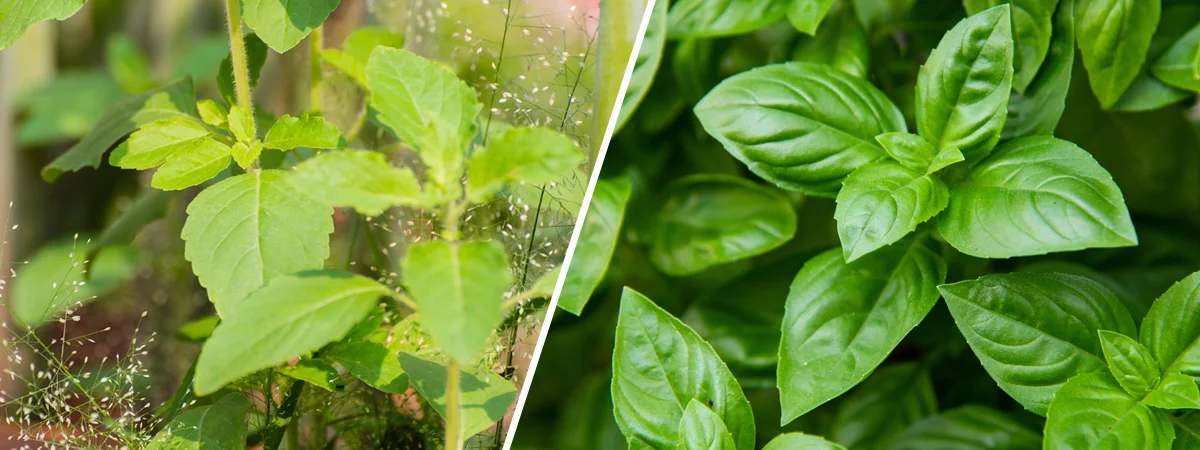
    Tulsi and basil, two incredibly medicinal and fragrant herbs that are mostly mistaken to be the same due to their botanical similarities, are actually different in their own ways. They vary in their uses, origins, and health benefits. Both the herbs Tulsi (Ocimum sanctum, also known as Ocimum tenuiflorum) and basil (Ocimum basilicum) belong to the same genus and Lamiaceae family. However, they are distinct in their traditions, usages, cultural relevance, and phytochemical compositions. As an Ayurveda practitioner, I often notice patients complaining about the confusion during selection between them.  

    Tulsi, “The Queen of Herbs” reflects various benefits on health. It is an auspicious herb that comes in a variety of green and purplish leaves. It can easily be seen in any Indian household due to its protective properties. Tulsi leaves have been used in various decoctions, tea preparations, and formulations for ages due to their immune-supporting properties. 

    Basil is a very popular and delicious herb that shows up with beautifully shaped oval and green leaves. It is usually used in different cuisines like Italian, Thai, and Vietnamese. It has a tangy, peppery taste and a sweet aroma. 

    Basil plant background

    Let’s Explore How Tulsi and Basil Stand Apart

    However, both tulsi and Basil belong to the same family, they still differ from each other in various aspects. From botanical names to appearance, origin, and uses, the two herbs vary distinctively. This section will assist you in understanding how they are so. 

    Botanical Name: 

    Both the herbs share the same genus, Oscimum, and the same family, Lamiaceae. Here are their botanical names: 

    Tulsi: Ocimum sanctum (syn. Ocimum tenuiflorum) 

    Basil: Ocimum basilicum 

    Family

    Lamiaceae family. 

    Native Regions: 

    Most of the herbs have a history for which they have been used for thousands of years, as do tulsi and basil. Now let’s see from where they originate to know more about them in detail. 

    Tulsi: Tulsi originates from north-central India. Tulsi is cultivated and even kept in households for its culinary and auspicious health benefits. Now it grows throughout the subcontinent of India, China, and Southeast Asia. 

    Basil: It is actually found in the tropical regions of Central Africa and Southeast Asia, along with the subcontinent of India. It is believed that basil originated in India but has been cultivated for around 5,000 years, with its reach worldwide. 

    Types and Benefits of Tulsi 

    Tulsi, the “holy basil,” is majorly of 4 varieties, each presented with its own different set of medicinal usages. It is categorized into four types: 

    • Vana Tulsi (O. gratissum): It is often used as a good adaptogen and has anti-inflammatory properties. 
    • Rama Tulsi (O. tenuiflorum): It possesses anti-inflammatory and antioxidant properties. 
    • Krishna Tulsi (O. tenuiflorum): A variety of Tulsi that presents with purple leaves. Used for immune and respiratory support  
    • Amrita tulsi (O. tenuiflorum): It has stress-reducing properties and provides emotional and mental support. 

    Types and Benefits of Basil 

    Basil, or Mediterranean basil, is of various types and possesses various benefits, such as: 

    • African Blue Basil (O. Kilimandscharicum): It is an aromatic and culinary basil with edible leaves. Contains eugenol and is used for its anti-inflammatory, anti-hyperlipidic, and antioxidant characteristics. 
    • American Basil (O. americanum): It is well known to possess antimicrobial and gastrointestinal support.  
    • Italian Genovese Basil (O. basilicum): This is truly a divine plant with a specific scent. 
    • Lemon Basil (O. citriodorum): It contains eugenol and flavonoids. It improves digestion, bloating, and skin issues. 
    • Purple Basil (O. basilicum): It is rich in polyphenol, flavonoids, and bioactive compounds. It is well known to support immunity, cardiovascular functioning, and digestion. 
    • Sweet basil (O. basilicum): Sweet basil contains essential oils like eucalyptol, linalool, and eugenol, which make it a potent herb to manage facial acne, migraines, and other dermal infections. 

    Tulsi in Ayurveda vs. Basil in the West 

    Tulsi: Tulsi, “the sacred plant,” is a magical herb of India. It is not just a usual herb but a rejuvenator to your skin, hair, and overall health.  

    In Ayurveda a herb is described well by its Raspanchak description. So, the Raspanchak of tulsi are: 

    • Rasa (taste) – Katu (pungent), Tikta (bitter) 
    • Guna (qualities) – Laghu (lightness), Rooksh (dryness), Teekshna (piercing) 
    • VeeryaUshna (hot potency) 
    • VipakaKatu – Undergoes pungent taste conversion after digestion 
    • Effect on TridoshaVatahara, Kaphahara i.e., balances Vata and Kapha Dosha, and Pittavardhini i.e., increases Pitta Dosha. 

    Basil: Basil, on the other hand, has a separate place in Western cuisines and also provides various health benefits. 

    • It is known for its antioxidant properties. 
    • It contains eugenol, which exhibits anti-microbial, anti-inflammatory, and analgesic characteristics. 
    • Basil also has flavonoids, which help to facilitate anti-inflammatory and anti-cancer properties that help to fight against chronic ailments. 
    • Basil is considered to be a source of alkaloids that exhibit anti-parasitic and analgesic effects, making basil a culinary as well as a medicinal herb to use. 

    Ayurvedic Benefits of Tulsi

    Looking from an Ayurvedic perspective, tulsi has immense benefits; a few of them are listed below: 

    • Kapha Vinashini—As per Ayurveda texts, it helps to relieve excess sputum production. 
    • Krumidosha, Krumihara—It refers to the antimicrobial and antiviral properties that help to fight against any foreign body.  
    • Ruchikrut—It means it develops interest in food; this property helps to manage anorexia. 
    • Agnivardhini, Vahni Deepani—This characteristic helps to improve the digestive fire and facilitate better digestion. 
    • HrudyaIt functions as a cardiac elixir and aids in managing unwanted cholesterol deposition in the blood. 
    • Dahavardhini—Since it is Pittavardhaka in nature, it increases the burning sensation. 
    • Shwasahara—It helps in curing respiratory illness. 
    • Kasahara—Useful in the treatment of cough, flu, and cold. 

    Modern View of Tulsi Health Benefits  

    Immunity and Respiratory Health 

    This mother of herbs enhances the immunity by providing more resilience to infections. The incredible antimicrobial and antiviral effect enables it to fight against any invader inside the body. 

    Stress and Adaptogenic Support 

    It is a known adaptogen that aids in balancing cortisol (the stress hormone) levels and promotes emotional stability. 

    Benefits of Tulsi for Skin  

    When it comes to skin, tulsi works wonders. 

    • It contains antioxidants that help to prevent skin from radical damage and also from harmful effects of UV rays. 
    • This herb is packed with the goodness of anti-bacterial properties that help to resist the growth of acne-causing bacteria. 
    • It is also rich in vitamin C and eucalyptol that help the skin to look more radiant, flawless, and young. 

    Tulsi Benefits for Hair 

    This queen not only is restricted to your internal health but also enhances your outer appearance; it shows its effects on: 

    • Hair thinning: Tulsi is used for preventing hair loss due to its anti-inflammatory traits that can stimulate the scalp and promote hair growth. 
    • Dandruff: It aids in removing dandruff due to its anti-fungal properties. 

    Benefits of Basil

    There are numerous benefits that basil offers; here is a list: 

    • Culinary Use and Nutritional Profile –  Basil is well known for its importance in Caprese salads. However, apart from its flavor, it also offers various health benefits. It contains vitamins A, C, and K, iron, calcium, and magnesium. Also, it contains constituents like eugenol and linalool that present with anti-inflammatory and antimicrobial properties. 
    • Antioxidant and Antimicrobial Properties—The green, oval leaves of basil have flavonoids like vicenin that prevent the cell from any oxidative stress. 
    • Digestive Support—It is also infused with herbal preparations to pacify bloating, cramps, and indigestion. 
    Caprese salad in a bowl on an white wooden table.

    Can Tulsi and Basil Be Used Interchangeably? 

    This is actually one of the most frequently asked questions in my OPD. The answer to this is simply no; at least therapeutically, you cannot. The reasons are clearly evident from the above information. 

    Common Myths 

    • Tulsi is just a household plant: No, it is a medicinal as well as a sacred plant with numerous health benefits. 
    • Tulsi and basil are the same: Absolutely not, they just belong to the same genus and family but possess different properties. 
    • Basil is just used in salads: Clearly not. It has many therapeutic uses as well. 

    What’s Lost or Gained When Substituted 

    Well, substituting both is not a good idea, but: 

    If you substitute tulsi for basil in recipes, it will give a clove-like flavor and may alter the taste. 

    If you substitute basil for tulsi in formulations, it will indeed alleviate the efficacy and efficiency of the formulation. 

    My Clinical Experience 

    In my Ayurvedic practice, I’ve witnessed many patients where tulsi and its formulations have shown really good effects; some of them are: 

    • A 35-year-old woman presented with acne. Her history revealed a stress-induced hormonal imbalance, which could be a probable cause of acne. 
    • I advised her to incorporate Tulsi tea twice a day in her routine and asked for a follow-up after 30 days. Incredibly, her acne ceased, she had no new acne growth, reduced skin inflammation, and better sleep cycle.  
    • A 27-year-old male came with complaints of pain in the throat and cough for 10 days. I suggested him to takeTulsi swaras for 07-10 days and then come for follow-up. After 08 days his pain was gone, his cough was also under control, and he was feeling much better. 
    • NOTE: Do not use any medications without the prescription of your healthcare provider. Since, the dosage, anupana, and mode of administration vary from patient to patient. 

    Conclusion 

    Tulsi and basil both may appear similar botanically but have totally distinctive properties. Tulsi stands as a sacred, rejuvenator, or rasayana herb, while basil is a tongue pleaser and is garnished in various cuisines, elevates taste, and offers digestive and antioxidant benefits. 

    Understanding their differences may help you understand their uses and take advantage of their benefits wisely. It is not only important to treat your patients but also to unlock the key to various health benefits to maintain a longer, better, healthier, and happier life.  

  • Understanding Pregnancy Through the Lens of Ayurveda: A Comprehensive Guide

    Understanding Pregnancy Through the Lens of Ayurveda: A Comprehensive Guide

    What Supplements and Herbs Are Recommended During Pregnancy?

    It’s crucial for pregnant women to consult with their obstetrician-gynecologist (OBGYN) and follow their recommendations regarding necessary supplements, especially those essential for fetal development, such as Omega-3 Fatty Acids, Folic Acid, etc.

    Ayurveda offers natural supplements and herbs to support a healthy pregnancy, but these should always be taken under the guidance of a qualified practitioner. Here are some commonly suggested Ayurvedic options:

    • Shatavari: Known for its nourishing properties, Shatavari is often used to support overall health during pregnancy.
    • Ginger: Helpful for managing nausea and digestive issues common in early pregnancy.

    What Lifestyle Changes Should Women Make During Pregnancy?

    Ayurveda emphasizes the importance of a balanced lifestyle during pregnancy. Some key recommendations include:

    • Daily Routine (Dinacharya): Establishing a regular routine with proper rest, gentle exercise, and stress management techniques. Check out our Dinacharya guidelines.
    • Diet: Following a Sattvic diet which focuses on fresh, pure, easily digestible foods like fruits, vegetables, whole grains, legumes, nuts, seeds, and dairy, promoting mental clarity and physical well-being. Eat freshly cooked food and avoid hot, spicy food, leftovers, processed food, artificial flavors, and chemical additives.
    • Yoga and Meditation: Listening to harmonious music, mantra chanting, watching inspiring spiritual videos, meditation, pregnancy yoga, and practicing yoga nidra as well as having a loving, supportive, and caring company will keep a pregnant lady elevated and uplifted.
    • Oil Massage (Abhyanga): Relax the body and soothe the Vata by having a full body self-massage using sesame oil followed by a warm bath or shower.

    What Insights Can Ayurveda Offer for a Healthy Pregnancy?

    “A harmony in the mind, body and environment of pregnant women should be maintained as whatever a pregnant mother sees, tastes, touches, hears and smells will influence the child.”

    Ayurveda provides a holistic approach to pregnancy, emphasizing the interconnectedness of mind, body, and spirit. Some key insights include:

    • Emotional Well-being: The mother’s emotional state directly influences the developing fetus. Practices like mantra chanting and listening to uplifting music are recommended.
    • Connection: Develop a habit of talking to the baby in your womb. Read him/her inspiring stories of enlightenment as it will help love, kindness, compassion, and positive values to grow.
    • Seasonal Adjustments: Dietary and lifestyle choices should be adjusted according to the seasons to maintain balance.
    • Individualized Care: Ayurveda recognizes that each pregnancy is unique and encourages personalized care based on the mother’s constitution and needs.

    Consult with an Ayurvedic physician

    What Should Couples Do Before Pregnancy?

    During Garbhadhana Kala, Ayurveda emphasizes the importance of balancing the Doshas (Vata, Pitta, and Kapha) to create an optimal environment for conception. Here are some specific recommendations for this period:

    • Follow a balanced diet that includes fresh, whole foods to nourish the body and support reproductive health.
    • Engage in regular exercise to maintain physical health and improve circulation, which can enhance fertility.
    • Practice stress-reduction techniques such as meditation and yoga to create a calm and balanced state of mind, which is beneficial for conception.
    • Consider detoxifying the body through Panchakarma, which can help remove toxins and improve overall health and fertility.
    • Use specific herbs and supplements under the guidance of an Ayurvedic practitioner. Herbs like Ashwagandha for stress relief and Shatavari for reproductive health support the body’s preparation for pregnancy.

    The focus during Garbhadhana Kala is on creating a harmonious state of being that supports conception and the early stages of pregnancy.

    What Is the Ayurvedic Approach to Post-Pregnancy Care?

    The postpartum period, known as Sutika Kala, is vital for the mother’s recovery and bonding with the newborn. Ayurvedic recommendations include:

    • Diet: Follow a warm, nourishing, and easily digestible diet to support healing. Include ghee in meals for essential nutrients and warm soups and broths for hydration.
    • Herbal Support: Use rejuvenating herbs to restore strength and vitality. Recommended herbs include:

      • Shatavari: Known for its galactagogue properties, it supports lactation and helps in restoring the mother’s strength.
      • Ashwagandha: This herb can help in reducing stress and promoting overall well-being.
      • Guduchi: Useful for its immune-boosting properties, aiding in the mother’s recovery.
      • Triphala: A gentle detoxifier that can help in maintaining digestive health.
      • Fenugreek: Known for its galactagogue properties, fenugreek can significantly increase milk production.
      • Fennel Seeds: eneficial for lactation and digestive health, fennel seeds can help increase milk supply and reduce bloating.
    • Rest: Ensure adequate rest and avoid strenuous activities, ideally resting for the first 40 days post-delivery.
    • Oil Massage and Emotional Support: Receive regular massages with warm oils and surround yourself with a supportive environment to promote relaxation, recovery, and emotional well-being.

    Ayurveda offers a holistic approach to pregnancy, nurturing mind, body, and spirit. Following its principles can enhance well-being and prepare for a healthy pregnancy and postpartum period. For personalized guidance on herbs, diet, and lifestyle, consult an Ayurvedic physician in-person or online to support your journey.