Author: Admin

  • Dosha at Work: Ayurvedic Tips for a Balanced Workplace

    Dosha at Work: Ayurvedic Tips for a Balanced Workplace

    In today’s fast-paced professional world, finding balance can seem like an elusive goal. Yet, the ancient wisdom of Ayurveda offers a sophisticated framework for creating harmony in our work lives through understanding our unique constitution, or Dosha. This time-tested approach can transform your workplace and enhance both productivity and well-being.

    Understanding Your Professional Nature: The Three Doshas

    Ayurveda teaches that each person possesses a unique mind-body constitution that influences how they work, communicate, and handle stress. This understanding is crucial for professional success:

    • Vata (Air & Space): Creative and quick-thinking professionals who can become easily overwhelmed with multiple ideas
    • Pitta (Fire & Water): Leadership, focused, and driven individuals prone to burnout
    • Kapha (Earth & Water): Steady and reliable team members who may resist change

    Creating Your Optimal Work Environment

    For Vata Professionals

    • Workspace Design: Create a calm, organized environment with minimal distractions
    • Daily Structure:

      • Maintain regular schedules
      • Use calendars and to-do lists
      • Ensure warm, well-lit spaces
      • Include grounding elements like plants
    • Balance Practices:

      • Take regular quiet breaks
      • Practice stretching and short walks
      • Implement mindfulness exercises

    For Pitta Professionals

    • Workspace Design: Ensure good ventilation and cooling elements
    • Daily Structure:

      • Maintain moderate temperature
      • Use soothing colors
      • Avoid harsh lighting
    • Balance Practices:

      • Stay hydrated with lemongrass tea, mint teas
      • Practice stress-reducing techniques
      • Take breaks between intense work periods
      • Engage in meditation and deep breathing

    For Kapha Professionals

    • Workspace Design: Incorporate bright lighting and energizing elements
    • Daily Structure:

      • Use standing desks
      • Implement walking meetings
      • Include varied tasks
    • Balance Practices:

      • Regular physical activity
      • Engage in team activities
      • Use energizing aromatherapy
      • Take movement breaks

    Creating a Dosha-balanced workplace isn’t just about personal comfort—it’s about optimizing your professional environment for success. By understanding and honoring your constitutional nature, you can create work habits and spaces that support your natural strengths while managing potential challenges. Remember, a balanced professional is a successful professional.

  • 10 Ayurvedic Beauty Tips You Can Try at Home

    10 Ayurvedic Beauty Tips You Can Try at Home

    Ayurveda teaches us that the path to beauty is simple, natural, and often begins right in our own kitchens. Everyday ingredients—herbs, spices, fruits, and oils—can be transformed into powerful beauty remedies that nourish your skin and hair without harsh chemicals. Here are ten timeless Ayurvedic beauty tips you can try at home, using ingredients you likely already have.

    1. Turmeric Face Mask for Glowing Skin

    Turmeric is renowned in Ayurveda for its anti-inflammatory and brightening properties. Mix a pinch of turmeric with yogurt and honey to create a gentle face mask. Apply for 10–15 minutes, then rinse for a radiant glow.

    2. Coconut Oil for Deep Hair Conditioning

    Coconut oil is a classic Ayurvedic remedy for dry or damaged hair. Warm a small amount and massage it into your scalp and hair. Leave it on for a 30 minutes then wash as usual for soft, shiny hair. Do not keep the oil on overnight.

    3. Rose Water Toner for Refreshment

    Rose water soothes and hydrates all skin types. Use it as a natural toner after cleansing, or spritz it on your face throughout the day for instant refreshment and a subtle floral scent.

    4. Gram Flour (Besan) Cleanser for Clear Skin

    Gram flour gently cleanses and exfoliates. Mix it with a little water or milk to form a paste, then massage onto your face and rinse. This helps remove excess oil and impurities, leaving your skin smooth and clear.

    5. Aloe Vera Gel for Soothing Irritation

    Aloe vera is cooling and healing, perfect for calming irritated or sun-exposed skin. Apply fresh aloe gel directly to the skin to reduce redness and promote healing.

    6. Neem Paste for Blemish Control

    Neem leaves are known for their antibacterial properties. Make a paste from fresh neem leaves (or neem powder and water) and apply to blemishes or acne-prone areas to help clear the skin.

    7. Cucumber Slices for Puffy Eyes

    Cucumber’s cooling effect helps reduce puffiness and dark circles. Place thin fresh cucumber slices over your eyes for 10–15 minutes to refresh and soothe tired eyes.

    8. Honey as a Natural Moisturizer

    Apply a thin layer of raw honey to your face, leave for 10 minutes, then rinse for soft, hydrated skin. This enhances the moisture into the skin.

    9. Lemon Scrub for Smooth Lips

    Mix a few drops of lemon juice with chickpea flour, rice flour to create a gentle lip scrub. Massage onto your lips to exfoliate and brighten, then rinse and apply a nourishing balm.

    10. Fenugreek Hair Mask for Strength and Shine

    Fenugreek seeds strengthen hair and promote shine. Soak seeds overnight, grind into a paste, and apply to your scalp and hair. Leave for 30 minutes maximum before washing out for healthier, more lustrous hair.

    Ayurvedic beauty is about simplicity, consistency, and honoring your natural self. By turning to your kitchen for these time-tested remedies, you can nurture your skin and hair with pure, wholesome ingredients—just as nature intended.

  • The Ayurvedic Approach to Beauty: Why Inner Balance Reflects Outer Glow

    The Ayurvedic Approach to Beauty: Why Inner Balance Reflects Outer Glow

    In Ayurveda, beauty is much more than the external appearance, it is a reflection of our inner health, emotional well-being, and the harmony between body, mind, and spirit. This ancient wisdom teaches us that true radiance comes from within, and emphasises that inner balance is the key to lasting natural beauty.

    Beauty Beyond

    Ayurveda views every individual as unique, with their own constitution or Dosha—Vata, Pitta, or Kapha. These Doshas are energies that determine our individual characteristics, including our skin and hair type, body shape, and even our emotional tendencies.

    When our Doshas are in balance, we experience health, vitality, and a natural glow. When they are out of balance, it can show up as dull skin, breakouts, hair loss, or other beauty concerns. That’s why Ayurveda emphasizes holistic self-care, focusing on diet, lifestyle, and emotional well-being to restore harmony and enhance our natural beauty.

    The Doshas and Your Unique Beauty

    • Vata types tend to have dry, delicate skin and fine hair. When balanced, their skin is like porcelain, but imbalance can lead to dryness, wrinkling, and premature aging.
    • Pitta types often have sensitive, rosy skin and soft, straight hair. Their natural glow is fueled by strong digestion and passion, but excess Pitta can cause redness, inflammation (acne or pimples), early greying of hair, and hyperpigmentation
    • Kapha types usually enjoy smooth, oily skin and thick, lustrous hair. Their calm, grounded nature gives them a youthful appearance, but imbalance may result in oiliness, congestion, water retention or puffiness.

    Understanding your Dosha can help you choose the right foods, skincare, and daily routines to support your unique beauty from the inside out.

    Not sure about your Dosha? Take our Free Dosha Quiz Here

    Beauty Tips for Every Dosha

    Vata Beauty Tips:

    Vata skin and hair tend to be dry and delicate, so focus on nourishment and hydration. Use rich, natural oils like sesame or almond for daily self-massage and moisturizing. Choose gentle, creamy cleansers and avoid harsh exfoliants. Incorporate warm, cooked foods and hydrating herbal teas into your diet. Practice calming routines, such as gentle yoga and meditation, to keep stress in check. Try to Incorporate ghee in meals.

    Pitta Beauty Tips:

    Pitta types benefit from cooling and soothing care. Use rose water or aloe vera gel to calm sensitive skin, Use Pitta balancing oils like coconut or Brahmi oil for full body or local Abhyanga.

    Avoid spicy, fried, or acidic foods that can trigger inflammation — instead, enjoy sweet, juicy fruits and leafy greens. Protect your skin from excessive sun exposure, and practice relaxation techniques to manage emotions and maintain your natural glow, and avoid daily consumption of alcohol and smoking.

    Kapha Beauty Tips:

    Kapha skin and hair are often oily and thick, so focus on stimulation and detoxification. Use dry brushing or gentle exfoliation to keep skin clear and vibrant. Choose light, non-greasy moisturizers and avoid heavy creams. Favor warm, spicy foods and herbal teas to boost circulation and metabolism. Stay active with invigorating exercise and try energizing morning routines to keep your energy and radiance high. Reduce excess consumption of sweets like milk chocolates and processed sweets items.

    Inner Balance, Outer Glow

    Ayurveda teaches that beauty is the result of Ojas—the subtle essence of vitality and immunity. Ojas is built through nourishing food, restful sleep, positive emotions, and mindful living. When Ojas is strong, it manifests as glowing skin, sparkling eyes, and a vibrant presence.

    Here are a few Ayurvedic principles to cultivate inner balance and outer radiance:

    • Eat Fresh, Seasonal Foods: Favor whole, unprocessed foods that suit your Dosha and the season. Fresh fruits, vegetables, whole grains, and healthy fats nourish your body and skin.
    • Practice Daily Self-Care: Simple rituals like Abhyanga (self-massage with warm oil), gentle yoga, and meditation help calm the mind and support healthy circulation.
    • Prioritize Rest and Relaxation: Quality sleep and stress management are essential for beauty. Try herbal teas, evening routines, and digital detoxes to unwind.
    • Embrace Natural Skincare: Use gentle, natural ingredients like rose water, sandalwood, or coconut oil to care for your skin, avoiding harsh chemicals.

    Beauty as a Reflection of Well-Being

    Ultimately, Ayurveda reminds us that beauty is not about perfection, but about balance, vitality, and self-love. When we nurture our inner world—body, mind, and spirit—our outer beauty naturally shines through. By embracing Ayurvedic wisdom, we can discover a deeper, more authentic radiance that goes far beyond the surface.

  • Finding Harmony in Yoga and Ayurveda Through Your Dosha

    Finding Harmony in Yoga and Ayurveda Through Your Dosha

    The Shared Roots of Yoga and Ayurveda

    Both Yoga and Ayurveda originated thousands of years ago and are deeply rooted in the Vedic tradition. They are often called “sister sciences” because they share a common goal: to help individuals achieve balance and self-realization. While yoga primarily focuses on spiritual growth and physical discipline, Ayurveda provides the foundation for health through diet, lifestyle, and natural therapies.

    How Yoga and Ayurveda Complement Each Other

    Yoga and Ayurveda are most effective when practiced together. Ayurveda helps you understand your unique constitution (Dosha) and what your body needs to stay balanced, while yoga offers tools—like movement, breathwork, and meditation—to support that balance. For example, if you’re feeling stressed or out of sync, Ayurveda might suggest calming foods and routines, while yoga can offer grounding poses and breathing exercises.

    Understanding the Doshas: Vata, Pitta, and Kapha

    Central to Ayurveda is the concept of the three Doshas—Vata, Pitta, and Kapha. Each person has a unique combination of these energies, which influence physical, mental, and emotional traits.

    • Vata is associated with air and space, and governs movement, creativity, and flexibility. When out of balance, Vata types may feel anxious or scattered.
    • Pitta is linked to fire and water, and controls digestion, metabolism, and energy. Imbalanced Pitta can lead to irritability or overheating.
    • Kapha combines earth and water, providing stability, strength, and calm. Excess Kapha may cause sluggishness or resistance to change.

    Personalizing Your Yoga Practice with Ayurveda

    By understanding your Dosha, you can tailor your yoga practice to support your unique needs:

    • Vata types benefit from slow, grounding yoga styles like Hatha or Yin, focusing on stability and relaxation. Gentle forward bends, seated poses, and deep breathing help calm the mind and body.
    • Pitta types thrive with cooling, moderate-paced practices such as gentle Vinyasa or restorative yoga. Emphasize twists, side stretches, and poses that release heat, while avoiding excessive competition or intensity.
    • Kapha types do well with energizing, dynamic yoga like Ashtanga or Power Yoga. Incorporate standing poses, backbends, and invigorating breathwork to boost energy and motivation.

    Integrating Ayurveda into Your Yoga Routine

    Beyond the mat, Ayurveda offers daily routines (Dinacharya) and self-care practices to enhance your yoga journey. This might include mindful eating, oil massage (Abhyanga), herbal teas, and regular sleep patterns. By aligning your lifestyle with your Dosha, you create a supportive environment for both body and mind.

    Conclusion: Embrace the Harmony

    Yoga and Ayurveda together offer a holistic path to wellness, helping you understand yourself more deeply and make choices that support your unique nature. By personalizing your yoga practice and daily habits with Ayurvedic wisdom, you can cultivate balance, resilience, and a greater sense of wellbeing—on and off the mat.

  • Ayurveda & Eye Health: Nurturing Your Vision in the Digital Age

    Ayurveda & Eye Health: Nurturing Your Vision in the Digital Age

    In today’s world, our eyes are working harder than ever. From scrolling through phones to staring at computer screens for hours, digital devices have become a big part of our daily lives. While technology brings convenience, it also brings new challenges for our eye health. Ayurveda, the ancient science of life, offers gentle, holistic ways to care for our eyes—helping us maintain clear vision and comfort, even in the digital age.

    Understanding Eye Health in Ayurveda

    Ayurveda sees the eyes as a window to both our physical and emotional well-being. According to Ayurvedic wisdom, the eyes are governed by the Pitta dosha, especially the sub-dosha called Alochaka Pitta, which is responsible for visual perception. When Pitta is balanced, our eyes are bright, clear, and healthy. But when it’s out of balance—due to stress, poor diet, or overuse—eye problems can arise, such as dryness, strain, or even vision issues.

    Common Eye Challenges in the Digital Era

    In our technology-driven world, eye problems are becoming more common, especially among people who spend long hours in front of screens. This condition is often called digital eye strain or computer vision syndrome. Ayurveda recognizes that these issues are not just physical, but also connected to imbalances in the body’s doshas—mainly Pitta and Vata.

    What Causes Eye Problems Nowadays?

    1. Prolonged Screen Time

    Staring at computers, smartphones, and tablets for extended periods reduces our blink rate, leading to dryness and fatigue. The constant focus on digital screens strains the eye muscles and can cause blurred vision.

    2. Blue Light Exposure

    Digital devices emit blue light, which can penetrate deep into the eye and may contribute to eye strain, discomfort, and even long-term retinal stress.

    3. Poor Lighting and Glare

    Working in environments with harsh lighting, glare from screens, or improper contrast can make it harder for the eyes to focus, increasing strain and discomfort.

    4. Infrequent Breaks

    Not taking regular breaks while working or studying on screens prevents the eyes from resting and recovering, leading to cumulative fatigue.

    5. Dry Air and Air Conditioning

    Modern offices and homes often use air conditioning or heating, which can dry out the air and, in turn, dry out the eyes, making them feel gritty or irritated.

    6. Poor Posture

    Sitting too close to the screen, slouching, or having the monitor at the wrong height can cause not only eye strain but also headaches, neck, and shoulder pain.

    7. Lack of Natural Light

    Spending most of the day indoors, away from natural sunlight, can affect the eyes’ ability to adjust to different lighting conditions and may impact overall eye health.

    8. Stress and Fatigue

    Mental stress and lack of sleep can worsen eye discomfort, as Ayurveda teaches that emotional and physical well-being are closely linked.

    Ayurvedic Perspective

    Ayurveda sees these modern causes as factors that aggravate Pitta (heat, intensity) and Vata (dryness, movement) doshas. Over time, this imbalance can lead to symptoms like dryness, burning, redness, watering, or even vision changes.

    Ayurvedic Principles for Eye Health

    Ayurveda encourages a holistic approach to eye care, focusing on diet, daily routines, and natural remedies. Here’s how you can nurture your eyes the Ayurvedic way:

    1. Nourish from Within

    A diet rich in cooling, hydrating foods helps balance Pitta and supports eye health. Include leafy greens, carrots, cucumbers, amla (Indian gooseberry), moringa and ghee in your meals. These foods are packed with vitamins A and C, which are essential for healthy vision.

    2. Stay Hydrated

    Drinking enough water and herbal teas keeps your eyes moist and flushes out toxins. Ayurveda also recommends Triphala water (soaking Triphala powder overnight and using the strained water to gently wash your eyes) for its cleansing and rejuvenating effects.

    3. Practice Eye Rest

    Just as your body needs rest, so do your eyes. The 20-20-20 rule is simple: every 20 minutes, look at something 20 feet away for at least 20 seconds. This helps relax the eye muscles and reduces strain.

    4. Gentle Eye Exercises

    Blinking, palming (rubbing your hands together and gently cupping your palms over closed eyes), and slow eye rotations can refresh tired eyes and improve circulation.

    5. Protect Against Digital Stress

    Adjust your screen brightness, use blue light filters, and keep your screen at eye level. Ayurveda also suggests applying a drop of pure rose water in each eye (if you’re not sensitive) to soothe irritation.

  • Pulse Reading in Ayurveda: The Ancient Art of Nadi Pariksha

    Pulse Reading in Ayurveda: The Ancient Art of Nadi Pariksha

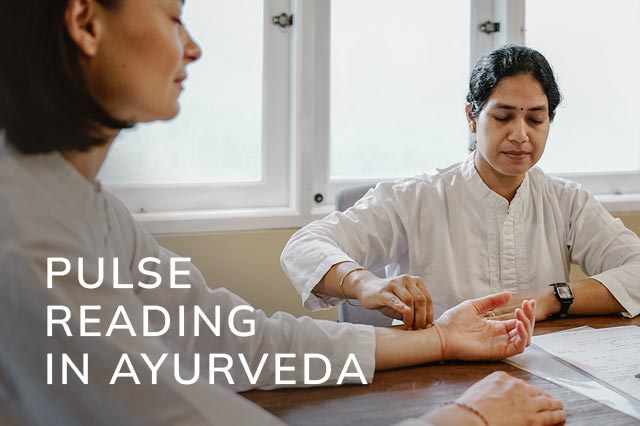
    During your consultation, you may have noticed your Ayurvedic physician placing three fingers on your wrist in a specific way, holding them there quietly for several minutes while appearing to listen intently. This wasn’t simply checking your heart rate—you experienced Nadi Pariksha, one of Ayurveda’s most sophisticated diagnostic techniques that has been practiced for thousands of years.

    What felt like a simple pulse check was actually your physician reading the subtle story your body tells through the rhythm, quality, and characteristics of your pulse. Through those few minutes of careful attention, they were gathering information about your constitution, current health status, and the balance of energies within your system.

    The Foundation of Nadi Pariksha

    Pulse reading, known as Nadi Pariksha in Sanskrit, represents one of Ayurveda’s most refined diagnostic arts. This ancient practice allows skilled practitioners to assess a person’s constitution, current health status, and potential imbalances through the subtle rhythms felt at the wrist.

    In Ayurvedic medicine, the pulse is far more than a simple measurement of heart rate. It serves as a window into the body’s vital energy, revealing the state of the three doshas—Vata, Pitta, and Kapha—and their interactions within the individual. Master practitioners can detect not only current ailments but also predict future health tendencies through careful pulse analysis.

    The Three Levels of Pulse Reading

    Ayurvedic pulse diagnosis operates on three distinct levels:

    Superficial Level (Uttana): This surface reading reflects recent influences such as diet, weather, and immediate emotional states. It provides insight into temporary imbalances and acute conditions.

    Middle Level (Madhyama): The intermediate pulse reveals information about the digestive system, metabolic processes, and the current state of the seven tissues (dhatus) in the body.

    Deep Level (Gambhira): The deepest pulse reading connects to constitutional patterns, chronic conditions, and the fundamental nature of the individual’s prakriti (original constitution).

    Technique and Positioning

    Traditional pulse reading requires precise finger placement and timing. The practitioner uses three fingers—index, middle, and ring—positioned on the radial artery of both wrists. Each finger corresponds to a specific dosha: the index finger reads Vata, the middle finger reads Pitta, and the ring finger reads Kapha.

    The examination typically takes place in the early morning hours when the body’s natural rhythms are most stable. The patient should be relaxed, having avoided recent meals, exercise, or emotional stress that might alter the pulse quality.

    Interpreting Pulse Qualities

    Different pulse characteristics indicate various constitutional types and imbalances:

    Vata Pulse: Often described as resembling a snake’s movement—irregular, thin, and quick. It may feel like it’s moving in waves or disappearing and reappearing.

    Pitta Pulse: Compared to a frog’s jump—strong, bounding, and regular with a sharp, pronounced beat that seems to leap under the fingers.

    Kapha Pulse: Likened to a swan’s graceful movement—slow, steady, deep, and smooth with a rolling quality that feels substantial and stable.


    Modern Relevance and Limitations

    While pulse reading remains a cornerstone of traditional Ayurvedic practice, it requires years of dedicated study and practice to master. The technique is highly subjective and depends greatly on the practitioner’s skill and sensitivity. Modern Ayurvedic education often combines traditional pulse reading with contemporary diagnostic methods to provide comprehensive health assessments.

    Learning the Art

    First formally documented in the 13th century Sharangdhar Samhita and refined over centuries, mastering Nadi Pariksha traditionally involves studying under an experienced guru for many years. Students begin by developing sensitivity in their fingertips and learning to distinguish subtle variations in pulse quality. The practice requires not only technical knowledge but also intuitive development and deep understanding of Ayurvedic principles.

    Pulse reading in Ayurveda represents a profound integration of art and science, offering insights that extend far beyond conventional vital sign monitoring. When practiced skillfully, it serves as a powerful tool for understanding the intricate connections between mind, body, and spirit in the pursuit of optimal health and balance.

  • Self-care in Ayurveda: simple daily roots, long-term renewal

    Self-care in Ayurveda: simple daily roots, long-term renewal

    Some days, self-care feels like one more thing on an already full list. It’s easy to push self-care to the bottom of the list—emails, errands, and everyone else’s needs come first. In Ayurveda, self-care isn’t a luxury or a quick fix—it’s the daily art of keeping your body, mind, and senses in harmonious rhythm with nature. Rather than chasing symptoms, Ayurveda focuses on supporting your Agni (digestive fire), clearing Ama (metabolic waste), and preserving Ojas (vitality and resilience). When these are balanced for your unique constitution (prakriti) and current state (vikriti), the result is steadier energy, deeper sleep, clearer skin and digestion, and a calmer mind. Self-care is how you “tend the fire” every day so it burns bright without burning out.

    10 simple Ayurvedic self-care tips to start with

    Self-care can start from a simple step. The key is consistency—small actions, repeated daily, create lasting change. We’ve gathered 10 simple Ayurvedic self-care habits you can apply to your daily life, with light tweaks for your dosha. Start with one or two, keep them steady, and let the benefits build over time.

    • Wake with the light.
      Wake up before sunrise and get morning sunlight within an hour of waking. It sets your body clock, lifts mood, and steadies energy—Vata/Kapha benefit from a short walk, Pitta from cool shade.
    • Mouth cleansing
      Set mouth cleansing routine including brushing teeth, tongue scraping and oil pulling, this helps to reduce overnight Ama and gently wakes digestion without dousing Agni.
    • Eat with the sun.
      Keep regular meal times and make lunch your main meal when digestion is strongest and eat light and early dinner. Eat freshly cooked and warm foods which aids better digestion.
    • Practice mindful eating.
      Sit down, breathe once, and chew well—stop at 75–80% full. This simple pause improves digestion and reduces post-meal heaviness.
    • Spice to balance doshas.
      Use opposite qualities: ginger, black pepper, and cinnamon to lift Kapha; coriander, fennel, cilantro, and mint to cool Pitta; cumin, ajwain, hing, and warm oils to steady Vata.
    • Move daily, match your state.
      Aim to finish feeling brighter, not depleted. Vata: gentle, grounding yoga or walks, Pitta: moderate, cooling movement, Kapha: brisk, invigorating cardio.
    • Quick abhyanga.
      Before showering, rub a little warm oil on hands, feet, and outer ears—sesame for Vata/Kapha, coconut or almond for Pitta. It calms the nervous system and softens dryness.
    • Protect your senses.
      Reduce loud noise, add calming scents (lavender, tulsi), and enjoy natural colors and sunrise/sunset when possible. Sensory hygiene supports a clear, sattvic mind.
    • Sleep with rhythm.
      Wind down by 10 pm, dim lights, and keep evenings quiet and warm. Consistent sleep-wake times protect Ojas (vitality) and stabilize mood.
    • Seasonal tweaks (Ritucharya).
      Adjust with weather: in heat, choose lighter, cooling foods and coconut/almond oil, in cold/dry seasons, favor warm, oily, spiced meals and sesame oil, in damp/spring, go lighter and spicier with extra movement.

    If you’re busy, keep a “core three”: tongue scrape, warm water, and 5 minutes of movement or breathing. Consistency beats intensity.

  • Kitchen Pharmacy: Healing Power Right from Your Pantry

    Kitchen Pharmacy: Healing Power Right from Your Pantry

    In today’s fast-paced world, wellness often feels complicated. Supplements line the shelves, new diets pop up daily, and we’re constantly told to “biohack” our way to better health. But sometimes, the simplest remedies are the most effective—and they might already be sitting in your kitchen.

    This is the essence of the Kitchen Pharmacy: using everyday herbs, spices, and foods not just for flavor, but for their time-tested healing properties. Cultures across the globe have long relied on the kitchen as the first step to maintaining and restoring health.

    Why Kitchen Pharmacy Matters

    • Accessibility: No prescription, no waiting in line—just common, affordable items.
    • Holistic Support: Many kitchen staples provide not only symptom relief but nutritional value.
    • Cultural Wisdom: These remedies are rooted in generations of traditional knowledge.

    Everyday Ingredients with Healing Power

    1. Ginger – The Digestion & Immunity Booster
    • Fresh ginger tea helps soothe nausea, indigestion, and bloating.
    • Contains anti-inflammatory compounds (gingerols) that may ease joint pain.
    • A go-to for supporting the immune system during flu season.
    2. Turmeric – Nature’s Anti-Inflammatory
    • Curcumin, its active compound, is renowned for reducing inflammation.
    • May support joint health, digestion, and even skin healing.
    • Works best when combined with black pepper processed at high temperature, which enhances absorption.
    3. Garlic – Natural Antimicrobial
    • Known for its anti-viral and antibacterial properties.
    • Supports heart health by aiding circulation and balancing cholesterol.
    • Raw garlic with low-fat dairy or non-dairy milk enhances cardiac health and eases sciatica

    4. Honey – Soothing Elixir
    • Acts as a natural cough suppressant.
    • Has wound-healing and antimicrobial properties.
    • Opt for raw, unprocessed honey for maximum benefits.
    5. Cinnamon – Blood Sugar & Heart Support
    • Helps balance blood sugar levels.
    • Warming spice that improves circulation.
    • Delicious addition to teas and healthy desserts, highly recommended to reduce sugar cravings.
    6. Lemon – The Cleansing Citrus
    • Rich in vitamin C, boosts collagen, and immunity.
    • Helps digestion and liver detoxification.
    • Hot lemon water is a simple daily ritual for hydration and wellness.

    Daily Rituals for Your Kitchen Pharmacy

    Integrating these powerful ingredients into your daily routine doesn’t have to be complicated. Here are some simple tips to make your kitchen a hub of wellness:

    • Morning Lemon Water: Start your day by squeezing half a lemon into a glass of warm water. This simple ritual aids digestion, evacuation, and provides a vitamin C boost.
    • Ginger & Turmeric Boost: Add a slice of fresh ginger to your morning tea or grate a small amount into your smoothie. For an anti-inflammatory kick, sprinkle turmeric (with a pinch of black pepper) into your scrambled eggs, oatmeal, or a warm milk latte.
    • Garlic in Meals: Incorporate fresh garlic into your cooking daily. Sauté it with vegetables, add it to salad dressings, or mix it into your pasta sauces.
    • Cinnamon Sprinkle: Dust cinnamon over your yogurt, fruit, or oatmeal for a touch of warmth and blood sugar support.
    • Honey for Sweetness & Soothing: Use raw honey as a natural sweetener in your tea or on pancakes. If you feel a tickle in your throat, a spoonful of honey can be incredibly soothing.
    • Herbal Teas: Keep a variety of herbal teas on hand, like ginger, peppermint, or chamomile, for different needs throughout the day.

    A Gentle Reminder

    While these remedies can support your well-being, they aren’t substitutes for medical treatment. Use them as preventive and complementary care, and always consult a healthcare professional for serious conditions.

    Personalized Support with Ayurveda

    Every individual has a unique body constitution (Dosha), and the same ingredient may have different effects depending on your personal balance of Vata, Pitta, and Kapha. For that reason, we always recommend consulting with a qualified Ayurvedic physician to tailor remedies specifically to your needs.

    👉 You can book an online Ayurvedic Consultation with our experts here:
    Oneworld Ayurveda – Ayurvedic Consultation.

  • Sleep, Simply Explained: An Ayurvedic Guide to Better Nights and Brighter Days

    Sleep, Simply Explained: An Ayurvedic Guide to Better Nights and Brighter Days

    Sleep is one of Ayurveda’s three pillars of health (along with food and lifestyle). When sleep is deep and regular, your body repairs tissues, balances hormones, consolidates memory, and resets your nervous system. When it’s not, everything feels harder—energy dips, mood swings, cravings increase, and immunity weakens.

    This comprehensive guide explains:

    • Why sleep problems happen
    • How Ayurveda understands and treats them
    • Practical routines and remedies for high‑quality sleep
    • Dosha-based tips you can start tonight

    For quick Ayurveda-centric sleep tips, you can also see our existing guides:

    Why We Struggle With Sleep

    Before we look at what to do, it helps to name what’s going wrong. Most sleep issues fall into a few familiar patterns.

    Common patterns:

    • Trouble falling asleep (mind racing, body restless)
    • Waking through the night (light sleep, vivid dreams)
    • Early morning waking (2–4 am)
    • Heavy sleep but tired on waking

    These patterns don’t arise in a vacuum—our habits and environment strongly shape how we sleep. Small choices during the day set up the night.

    Modern culprits:

    • Irregular meals and screen time at night
    • Late caffeine, alcohol, heavy dinners
    • Chronic stress and overplanning
    • Inconsistent sleep/wake times
    • Low daylight exposure and little movement
    • Bedroom not set for rest (light, noise, heat)

    Ayurveda adds a deeper layer of understanding. It recognizes that the same symptom can have different roots depending on the Dosha involved.

    Ayurvedic lens:

    Sleep disturbances are often imbalances of the Doshas—Vata (movement), Pitta (transformation), and Kapha (structure). Any Dosha can be out of balance, but each produces a recognizable sleep pattern.

    The Ayurvedic View of Sleep (Nidra)

    In Ayurveda, Nidra (sleep) is a foundational nourishment for body and mind. Timing is as crucial as duration—going to bed and waking with the natural rhythm supports all systems.

    • Nidra is a foundational need. When balanced, it grounds Vata, cools Pitta, and refreshes Kapha.
    • Timing matters: Ayurveda recommends sleep grounded in circadian rhythm—bed by 10 pm, up near sunrise—to align with the body’s natural shifts in Dosha dominance across the night.

    From this lens, the simplest rule of healing applies—meet an imbalance with its opposite. Calm the fast, cool the hot, and lighten the heavy.

    Key principle—like increases like—opposites balance. Your evening and pre-bed routine should bring the opposite qualities to your dominant imbalance (e.g. warm/oily/steady for Vata, cool/soothing/unpressured for Pitta, light/active/uplifting for Kapha).

    Dosha-Based Sleep Troubleshooting

    If you’re unsure where you fall, a quick quiz can point you in the right direction before you personalize your routine.

    Not sure of your type? Take the Dosha Quiz

    Vata-type Insomnia

    When Vata is high, the nervous system is jumpy and light. Your aim is to create warmth, weight, and rhythm.

    Clues: hard to fall asleep, light/broken sleep, worry, sensitivity to noise/cold, dry skin.

    Evening anchors:

    • Be in bed early (by 9:30–10 pm). Vata benefits from predictability.
    • Gentle grounding: 10–20 min warm sesame-oil foot massage, slow stretches, 6–10 minutes of alternate nostril breathing.
    • Screens off 60–90 minutes before bed, avoiding stimulating content.

    Food & drinks:

    • Early, warm, soft, and slightly oily dinner (soups, stews, avoid raw, cold salads at night).
    • Avoid caffeine, especially after 3 pm.
    • Sleep milk: simmer milk with ashwagandha, nutmeg, and cardamom, sip warm after dinner. See more in our guide:

      How to Improve Your Sleep Quality According to Ayurveda
      .

    • Herbal support (with guidance): ashwagandha, brahmi, jatamansi.
    • Movement: slow evening walk, yin/restorative yoga.

    From our Dosha tips article: Vata benefits from warm milk or ghee with calming herbs and evening meditation. See: Improve Your Sleep Quality According to Your Dosha Type

    Pitta-type sleep disturbance

    Excess Pitta brings intensity and heat. Here, you’ll focus on cooling the body and softening the drive to plan or perfect.

    Clues: you fall asleep but wake 1–3 am hot/alert, vivid dreams, stress, perfectionism, heat intolerance, reflux.

    Evening cool-down:

    • Stop work/strategy by 8 pm, add a “buffer hour” for music, journaling, or gentle reading.
    • Cooling breath (sheetali) or 5–10 minutes alternate nostril breathing.
    • Coconut oil head massage or cool shower before bed, sleep in a cool, darker room.

    Food & drinks:

    • Light, early dinner, favor soups and steamed vegetables, avoid spicy, fried, alcohol late.
    • Herbal milk with cardamom, gotu kola, valerian, or a pinch of nutmeg can help. See tips in:

      Improve Your Sleep Quality According to Your Dosha Type
      .

    • Herbal support (with guidance): brahmi, gotu kola (centella), shankhpushpi.
    • Movement: evening walk, moon gazing, calming yoga, avoid late intense workouts.

    Kapha-type sleep issues

    When Kapha is elevated, heaviness and stagnation show up as oversleeping, snoring, and grogginess. The remedy is lightness and activation.

    Clues: long sleep but groggy, heavy body/mind, snoring, sluggish mornings, cravings for heavy, sweet foods at night.

    Evening lightness:

    • Finish dinner at least 3 hours before bed, keep it light and spice-forward (ginger, black pepper, cumin).
    • No dairy-heavy desserts at night, avoid late naps and late-night TV.
    • Be in bed by 10pm and up by sunrise to avoid morning Kapha heaviness.

    Morning activation:

    • Sunlight exposure and movement within 30–60 minutes of waking, brisk walk or energizing yoga.
    • Herbal support (with guidance): trikatu (ginger–black pepper–pippali) for digestion, tulsi tea.
    • From our Dosha Guide: Avoid heavy cheese/yogurt at night, start the day with stretches or exercise and delay fruit to morning only.

      Improve Your Sleep Quality According to Your Dosha Type
      .

    Six Foundational Habits for Quality Sleep

    Regardless of your Dosha, these six habits create the conditions for rest. Think of them as the scaffolding your nightly routine stands on.

    1. Keep a steady sleep window
      Consistency retrains your inner clock. Aim for 10pm–6 am, adjusting gently, 15–30 minutes at a time if needed.
    2. Eat early, eat light at night
      Digestion slows in the evening. Warm, soupy, simply spiced dinners 3 hours before bed prevent reflux and night waking.
    3. Power down screens
      Blue light and stimulation signal “daytime” to your brain. A 60-minute digital sunset helps your mind release.
    4. Breathe to balance
      A few minutes of alternate nostril breathing settles the nervous system—calming Vata, cooling Pitta, and steadying Kapha.
    5. Oil the nerves
      A brief foot massage with Sesame (Vata/Kapha) or Coconut oil (Pitta) tells the body it’s safe to let go and sleep.
    6. Sip wisely
      Avoid stimulants after 3 pm. A warm herbal milk or tea can become a soothing nightly cue. See our detailed tips:

      How to Improve Your Sleep Quality According to Ayurveda
      .

    When Sleep Still Won’t Settle: Targeted Ayurvedic Therapies

    Sometimes, home routines aren’t enough—especially when stress or long-standing imbalances are at play. This is where hands-on therapies shine.

    Under the guidance of a qualified Ayurvedic physician:

    • Abhyanga (full-body oil massage):deeply Vata-calming
    • Shirodhara (steady stream of oil on the forehead): excellent for nervous system reset and stubborn insomnia, also referenced in our guide:

      How to Improve Your Sleep Quality According to Ayurveda
      .

    • Herbal support: ashwagandha, brahmi, jatamansi, tagara, shankhpushpi—individualized by Dosha and digestion
    • Panchakarma programs: systematically reduce accumulated Dosha imbalance, stress, and toxins

    If you need personalized help, consider an

    Ayurvedic Consultation

    or a rejuvenating stay at our Bali retreats.

    Seasonal Adjustments (Ritucharya)

    Our needs change with the weather and the Doshas of the season. Adjusting a few levers keeps sleep steady year-round.

    • Late autumn–winter (Vata season): prioritize warmth, oiling, earlier bedtime, hearty soups.
    • Peak summer (Pitta season): cool room, avoid late spicy meals, evening moonlight walks.
    • Late winter–spring (Kapha season): lighter dinners, invigorating spices, no daytime naps.

    Sleep Hygiene, The Ayurvedic Way

    Environment and daytime choices make or break your night. Treat your bedroom like a sanctuary and your mind like a garden.

    • Room: dark, cool, quiet, fresh air if possible. Keep the bed for sleep and intimacy only.
    • Light: morning sunlight exposure anchors circadian rhythm, dim lights after sunset.
    • Movement: daily activity—prefer earlier vigorous exercise, choose gentle movement in the evening.
    • Mind diet: avoid heated debates, work emails, or intense shows at night, choose soothing inputs.

    Safety Notes and When to Seek Care

    Ayurveda partners well with conventional care. If red flags are present, get checked while you continue supportive routines.

    • Loud snoring, gasping, morning headaches, or persistent daytime sleepiness can signal sleep apnea—seek medical evaluation.
    • Long-term insomnia, depression/anxiety, restless legs, or chronic pain merit professional care.
    • Herbs can interact with medications or pregnancy—consult an Ayurvedic physician before starting.

    Quick-Start Dosha Sleep Tips

    If you want something to do tonight, start here. Tiny, targeted changes add up fast.

    • Vata tonight: Warm, early dinner, sesame-oil foot rub, no screens 90 minutes pre-bed, ashwagandha–nutmeg milk, in bed by 9:45pm.
    • Pitta tonight: Soup dinner, cool shower/head oil with coconut, stop planning by 8pm, cardamom–gotu kola milk, dark, cool room.
    • Kapha tonight: Light, spicy dinner by 7pm, short evening walk, no TV in bed, wake at sunrise, energizing morning routine.

    For more Dosha-specific pointers, see:

    Improve Your Sleep Quality According to Your Dosha Type

    You don’t need to overhaul everything. Choose one foundational habit and one Dosha-specific tweak, and practice them for a week. Then layer in the next. Restful sleep is a right, not a luxury. With small, steady Ayurvedic adjustments, your nights become nourishing—and your days naturally clearer, lighter, and more joyful.

  • Attracting Salon Staff – How to Smash Your Employer Brand

    Attracting Salon Staff – How to Smash Your Employer Brand

    It’s no secret that hair and beauty businesses struggle in attracting salon staff. In fact, according to the NHBF’s 2022 skills report, 57% of hair and beauty businesses have unfilled vacancies, with experienced staff leaving altogether. But improving your employer brand could help tackle this! So, we’ve put together a few ideas to give your brand a boost specifically to help attract and retain staff.


    Attracting salon staff by aligning with a cause

    Do you align yourself with a cause or charity? For example, the business may have a strong focus on sustainable practices and products. Or maybe it has a focus on catering to clients recovering from cancer by using Made for Life’s Cancer Touch Therapy™ training? It’s never too late to hone in on a cause, which we can also help with such as these five simple ways to make your salon or spa more sustainable. No matter what, make sure your stance is clear in all business areas the public can access.


    Highlight the work culture in your salon

    It’s so important you make it clear what it’s like to actually work at your salon. After all, it’s where your team will spend a good deal of their time! A good way to do this is by showing behind-the-scenes videos on social media. Short clips of your team doing their thing and interacting is a great way to get a sense of what daily life is like. You could also share a snap or two of any work nights out to get that real sense of belonging (but make sure they’re not too risqué)!


    Put your team in the spotlight to help in attracting salon staff

    When attracting salon staff, it’s vital you put a spotlight on your current team and their progression. You could do this with some quick-fire interview questions and record them for an Insta reel or maybe website blog. Share who they are, how they fit into the team, and their path to their current role. This will help potential new staff visualise how they will also fit in the and get on with the team.


    Celebrate team wins and career progression

    Another way you can build your employer brand is by highlighting your team’s wins on social media. If your apprentice has completed their training and is now graduating to full time stylist, then why not celebrate this on Insta? Or maybe your senior therapist has completed a 10K run for charity? By sharing their wins, your team will feel supported and you’ll position the business as a great place to work.


    Attracting salon staff by promoting wellness

    Research reveals that 80% of professionals consider mental health and wellbeing offerings are important when searching for a role. That means you should consider how you will support mental health and wellbeing when attracting salon staff. You can do this through regular one-to-ones or offer an Employee Assistance Programme (EAP) to point them in the right direction. Perhaps you could offer a quiet area should things get too much in the salon, as suggested in our advice on essential methods to maintain wellness at work. Either way, these should be prominent on your website, in job adverts and on social media.


    As you can see, building your employee brand needn’t be tough for attracting salon staff! We also have plenty more advice to build your brand and retain staff. To discover more, explore our full range of blogs, below.


    CREATE A PERSONAL BRAND HOW TO HIRE THE RIGHT CANDIDATE STAFF RETENTION ADVICE